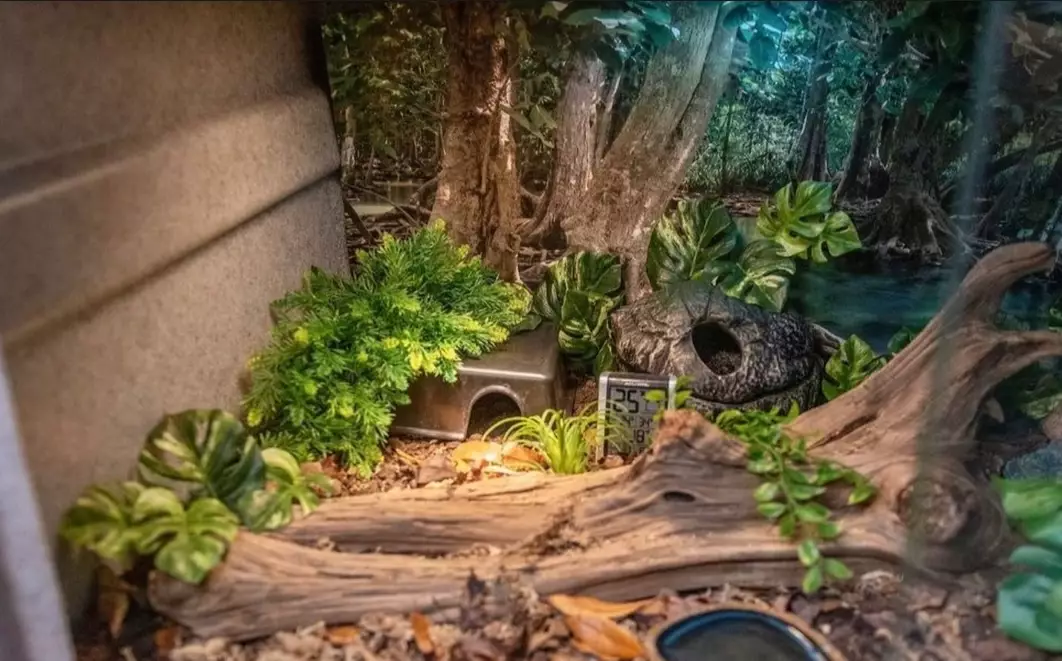
What I Wish I Knew Before Buying Substrate
I still cringe thinking about the first time I set up a leopard gecko tank. I grabbed a bag of calcium sand because the pet store clerk said it was “digestible.” Two weeks later, my gecko had a mild impaction. That’s when I started testing every substrate under the sun. This reptile substrate comparison is the cheat sheet I wish I’d had back then — no fluff, just what works and what’s a waste of cash.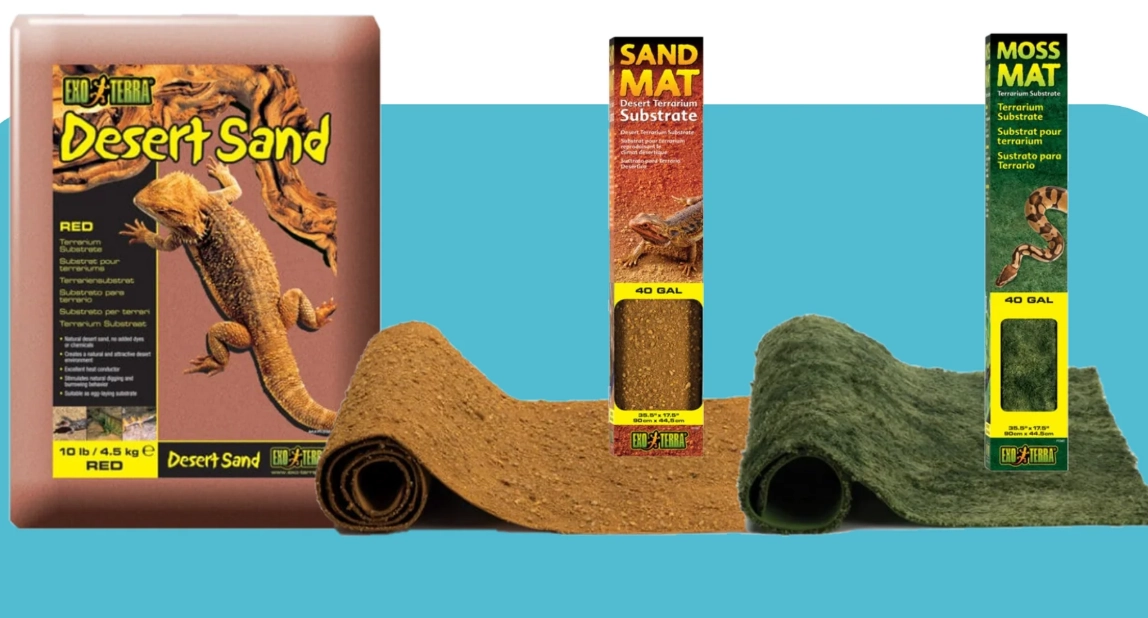
Quick Comparison Table: Cost, Safety, and Cleanup
Here’s the data I’ve gathered after trying at least ten different products in my own racks and display tanks. Prices are average for a 10-quart bag.
| Substrate | Best For | Impaction Risk | Humidity Control | Cost (10 qt) | Cleanup Effort |
|---|---|---|---|---|---|
| Paper towel | Quarantine, hatchlings | None | Poor | $3–5 | Very easy |
| Reptile carpet | Bearded dragon juveniles | Low (if no loose fibers) | Poor | $12–18 | Moderate (hand wash) |
| Calcium sand | Not recommended | High | Fair | $10–15 | Easy scoop |
| Play sand + topsoil mix | Bearded dragons, uromastyx | Low (if fed in dish) | Good | $8–12 | Monthly full change |
| Coconut fiber | Leopard geckos, crested geckos | Moderate (wet clumps) | Excellent | $10–14 | Spot clean daily |
| Bioactive mix (soil + sand + clay) | Naturalistic setups | Low (with clean-up crew) | Excellent | $25–40 | Minimal after cycle |
Notice I didn’t list walnut shells or corn cob. Those are impaction magnets. I’ve seen a vet pull a walnut shell fragment from a bearded dragon’s intestine — not pretty.
Why Substrate Matters More Than You Think
New keepers focus on heat lamps and hides. Substrate is an afterthought. But it drives three things: hydration, joint health, and your cleaning schedule. A wrong choice can cause respiratory infections (too dusty) or stuck shed (too dry).
Here’s a non-consensus take: loose substrate isn’t the enemy — poor feeding hygiene is. I’ve used coconut fiber for years with zero impaction because I feed with tongs over a dish. The real risk comes from sprinkling crickets directly onto loose bedding. That’s when your gecko gulps down a mouthful of fibers. So before you blame the substrate, check your feeding routine.
My rule of thumb: If you feed live insects in the tank, use a solid substrate or a feeding dish. If you feed in a separate bin, loose substrate is fair game for most species.
Loose vs. Solid: The Real Debate
Solid substrates (paper towel, carpet, tile) win on convenience. Loose substrates (sand, soil, coconut fiber) win on natural behavior. Leopard geckos dig to regulate temperature. Bearded dragons sift through sand to find insects. Removing that ability feels like keeping a cat in a bare crate.
I run a mixed house: solid for quarantine and new arrivals, loose for permanent residents. The switch to loose cut my gecko’s stress pacing by half — she now digs a little burrow every evening. That’s the kind of detail you won’t find on a product label.
3 Mistakes I Made So You Don’t Have To
Mistake 1: Trusting “digestible” calcium sand. It clumps like cement when wet. Vets at the Association of Reptile and Amphibian Veterinarians have warned against it for years. Skip it.
Mistake 2: Using cedar or pine shavings. The aromatic oils cause neurological issues in reptiles. I tried pine once for a corn snake — she refused to eat for five days. Never again.
Mistake 3: Overfilling the drainage layer in bioactive setups. If the water table sits too high, the substrate turns into mud. Your clean-up crew drowns. I lost a whole colony of springtails that way. Keep the drainage layer at 20% of total depth.
Species-Specific Picks (Based on My Own Trials)
Best Substrate for Bearded Dragon
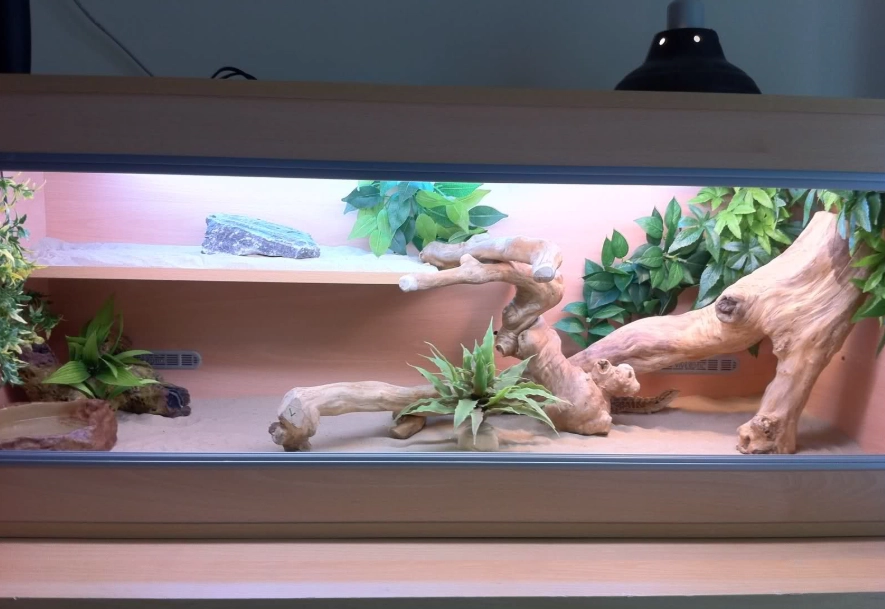
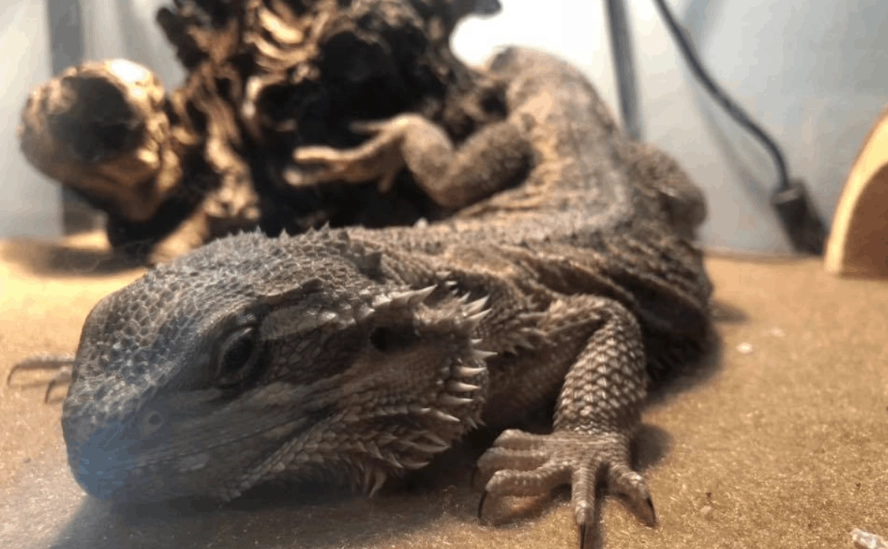
A 50/50 mix of washed play sand and organic topsoil. My adult dragon, Bandit, loves digging in it. It holds a burrow shape, and humidity stays around 40% on the cool side. Avoid calcium sand entirely. For juveniles under 12 inches, stick to paper towel until they’re solid eaters.
Bioactive Substrate for Leopard Gecko
My go-to is a mix of 60% organic topsoil, 30% play sand, and 10% excavator clay. Add a small drainage layer of hydroballs. The clay helps it hold tunnels. My gecko, Mochi, built a winding burrow that she uses every night. For the clean-up crew, use springtails and Porcellio scaber isopods — they don’t nibble on gecko toes.
Crested Gecko Substrate
Coconut fiber alone works, but it dries out fast. I mix it with sphagnum moss (70/30) to keep humidity above 70%. No drainage layer needed if you mist twice a day and have good ventilation.
Straight Answers to Real Questions
My bearded dragon keeps eating sand during feeding. Should I switch to carpet?
Not necessarily. Try feeding in a separate plastic bin for two weeks. If the behavior stops, keep the sand. If your dragon still scoops up sand, switch to paper towel or tile for a month. Most impaction scares come from feeding on loose substrate, not from the substrate itself.
Can I use coconut fiber for a juvenile leopard gecko under 6 inches?
I wouldn’t. Juveniles are clumsy hunters and tend to swallow fibers. Use paper towel until they’re consistently taking food from tongs. Then move to a fine, packed coconut fiber — not the fluffy kind.
How often should I completely replace loose substrate?
For non-bioactive setups: every 4–6 weeks for tropical species, every 8 weeks for arid species. If you spot mold or smell ammonia, replace immediately. In bioactive tanks, you never fully replace — just top off as it breaks down.
I’ve tested every substrate here in my own reptile room. No sponsored bags, no free samples. Just real results from a keeper who’s made the mistakes so you can skip them. Fact-checked against care sheets from the Association of Reptile and Amphibian Veterinarians.