I've built six crested gecko tanks over the past decade. Some worked great. Others, I'll be honest, were a disaster I had to tear down within a month. The frustrating part? Most online guides skip the details that actually matter. So here's my crested gecko tank setup blueprint, based on real trial and error, not just what sounds good on paper.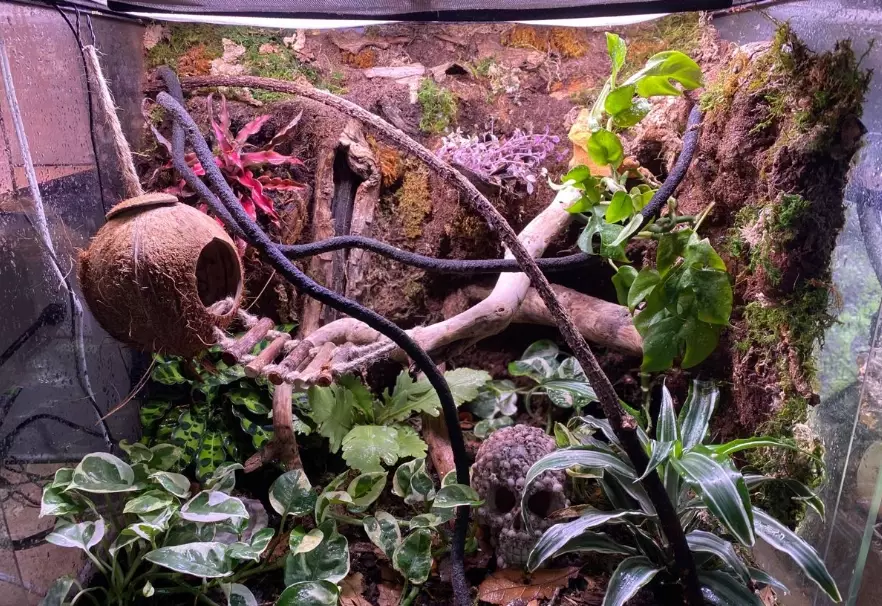
What Size Tank Does a Crested Gecko Really Need?
A juvenile can start in a 12x12x18 inch enclosure. Adults need more. Much more. The minimum I'd ever recommend for an adult is 18x18x24 inches. But here's the non-consensus take: if you can afford it, go straight for 24x18x36. I've seen fewer stress behaviors (like glass surfing) in taller tanks. Cresties are arboreal. They climb. Give them height, not length.
Price check: a decent 18x18x24 glass tank runs $80-$120 on most reptile supply sites. That PVC enclosure I picked up from a local show set me back $160, and the humidity stability was worth every cent.
Temperature and Humidity: The Numbers That Matter
Your gecko's health hinges on this. I can't stress it enough. Here's my quick reference table based on years of monitoring:
| Parameter | Target Range | Ideal | My Setup |
|---|---|---|---|
| Day temp | 72–79°F | 75°F | 75°F |
| Night temp | 65–72°F | 68°F | 68°F |
| Humidity | 60–80% | 70% (misting to 85%) | 65%+ |
| Mistings per day | 1–2 | 2 (morning, evening) | 2 |
Sounds easy, right? It's not. I've seen new keepers buy a fancy hygrometer and panic when humidity drops to 55%. That's fine. Dry periods matter. Without them, you risk respiratory infections. My non-negotiable tip: use a digital hygrometer/thermometer combo, not those analog dials. The analog ones are off by 10%+ half the time. I use a Govee Bluetooth sensor. Reads to my phone. Game changer.
Substrate and Bioactive Setup: My Experience
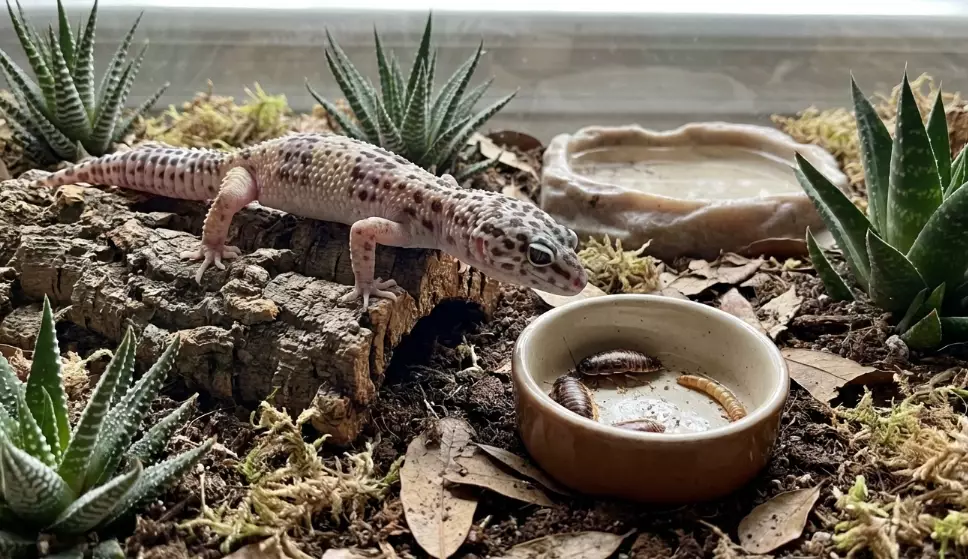
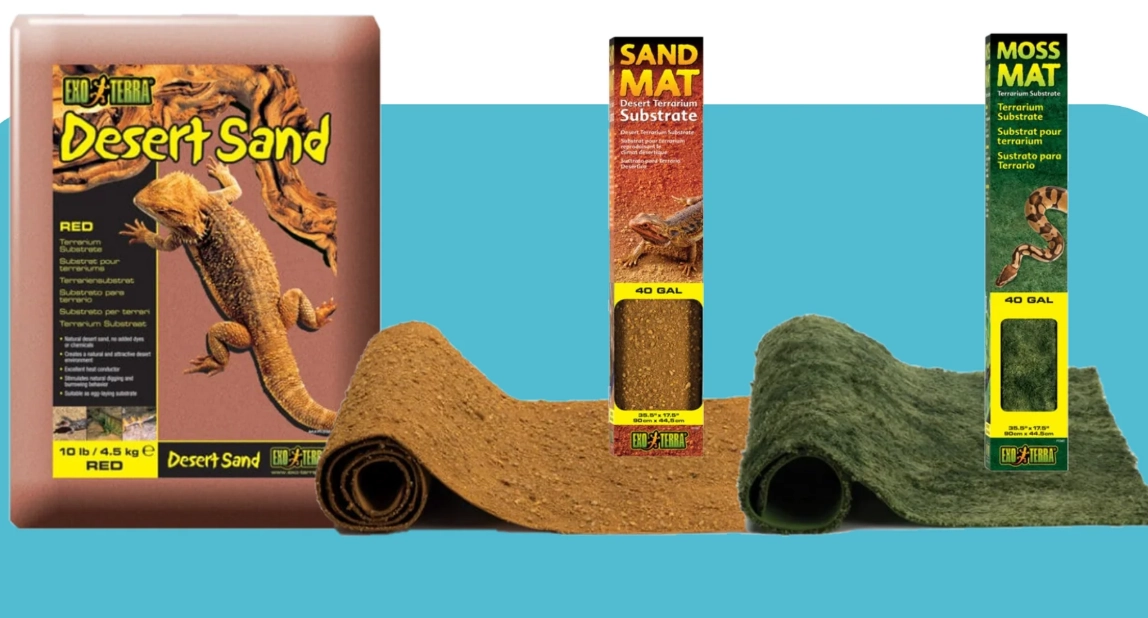
Paper towels are fine for quarantine. For long-term, bioactive is my go-to. It's not just a trend. I tried it after hearing from a breeder at the 2018 Reptile Super Show. The difference in smell and mold? Night and day.
My mix (by volume):
- 50% organic topsoil (no fertilizer, no perlite)
- 30% coco fiber
- 20% cypress mulch
Add springtails and isopods. They clean up gecko poop and mold. A small colony costs about $15. I also toss in some earthworms. No, they won't hurt your gecko. I've watched a worm pop up after a watering. My gecko stared at it. Then ignored it. Fine.
Decor, Plants, and Climbing Space
This is where creativity meets function. My geckos spend 90% of their time off the ground. So, fill that vertical space.
I use a mix of live and fake plants. A pothos rooted in a small pot tucked into the corner? Yes. A hanging hide made from a coconut shell lined with sphagnum moss? My gecko sleeps there every time. Fake suction cup leaves? Cheap, easy, and my gecko loves sitting on them.
But here's a detail most miss: wash any live plants in a 10% bleach solution (then rinse thoroughly) before putting them in the tank. I've had a $10 fern bring in spider mites. Took me two months to get rid of them. Not fun.
Lighting and Heating: What You Can Skip
Crested geckos don't need UVB. There's debate, but a healthy, well-fed gecko with a good diet usually thrives without it. I've used a low-output 5.0 UVB bulb in one setup and no UVB in another. No noticeable difference. What matters more: a regular day/night light cycle. A simple 12-hour on/off LED strip does the trick.
Heating: room temperature is fine. If your house dips below 65°F at night, a low-wattage ceramic heat emitter (not a red bulb) on a thermostat is the safest bet. Don't use a heat mat under the tank. It might climb on the glass and overheat.
Common Mistakes I See All the Time
Alright, some tough love.
- Buying a kit and stopping there. Most starter kits include the wrong substrate and a hood that traps humidity. Replace the substrate day one.
- Over-misting. If water pools at the bottom, you're misting too much. Drainage layer: yes.
- Not giving a hide. Cresties love a dark, secure spot. A simple dark plastic cup with a leaf over it works.
And one thing I've learned the hard way: a dollar-store spray bottle broke after two weeks. The trigger is flimsy. Spend a bit more for a misting bottle with a brass nozzle. Leaks less.
FAQ: Real Questions From Keepers
My crested gecko tank humidity is stuck at 50% even after misting. What now?
You've hit the classic drainage problem. Your substrate is wicking away moisture into the air. Add a 1-inch layer of hydroton (clay balls) under the soil. My humidity jumped from 50% to 70% after that fix.
Is a glass tank with a mesh top okay for a crested gecko tank setup?
Yes, with a caveat. Mesh tops leak humidity fast. Tape a piece of foil or plastic wrap over half the mesh. That'll hold moisture. Just leave the other half for airflow. I've done this for three years. Works fine.
How often should I clean the tank if I'm not going bioactive?
Spot-clean daily. Full substrate change: every three weeks. But here's the thing. A simple paper towel substrate that's changed every two days keeps your gecko healthier than a dirty soil enclosure. Don't overcomplicate it.
I'll leave you with this. The best crested gecko tank setup is the one you can maintain consistently. I've seen gorgeous, expensive setups fail because the owner missed mistings. And I've seen a basic tank with paper towels and a single pothos thrive for years. Focus on stable conditions. Your gecko will show you the rest.
This article was fact-checked against care sheets from the Global Gecko Association and my own keeper notes.