What's inside this quick guide
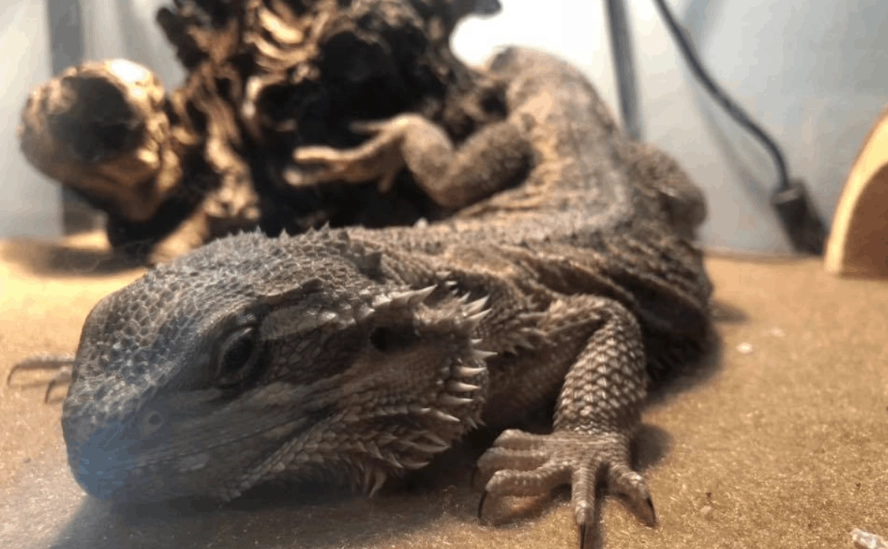
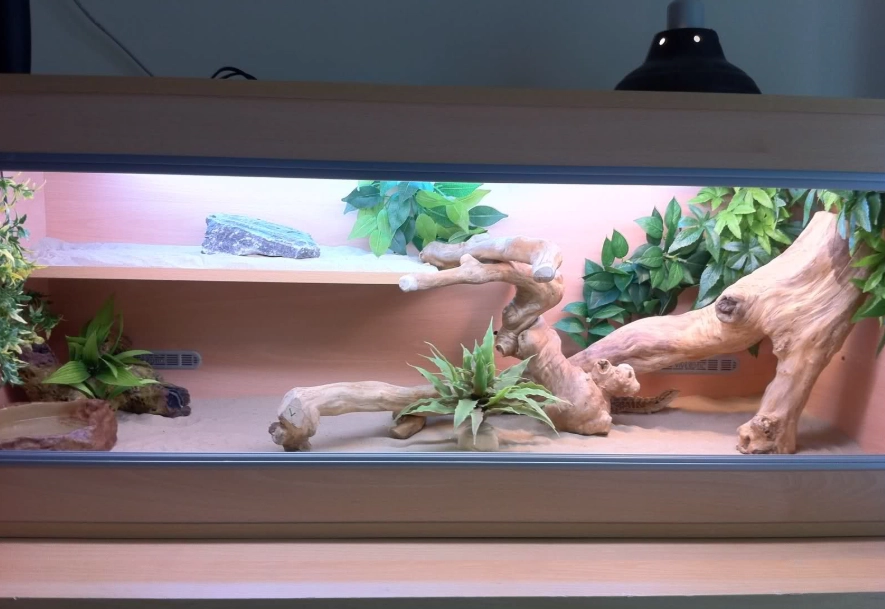
I walked into a friend's reptile room last month and saw a beautiful bioactive setup for a juvenile bearded dragon. Cork bark, live plants, digital hygrometer. Everything looked perfect. Except one thing: the basking spot read 118°F on the hot end and 84°F on the cool side. No gradient. Just a sauna. The dragon was glass-surfing within fifteen minutes.
That moment reminded me why reptile temperature gradient is the single most misunderstood part of terrarium design. People buy the right lamp, the right thermostat, and still get it wrong. Here's what ten years of keeping and rehabbing reptiles has taught me about doing it right.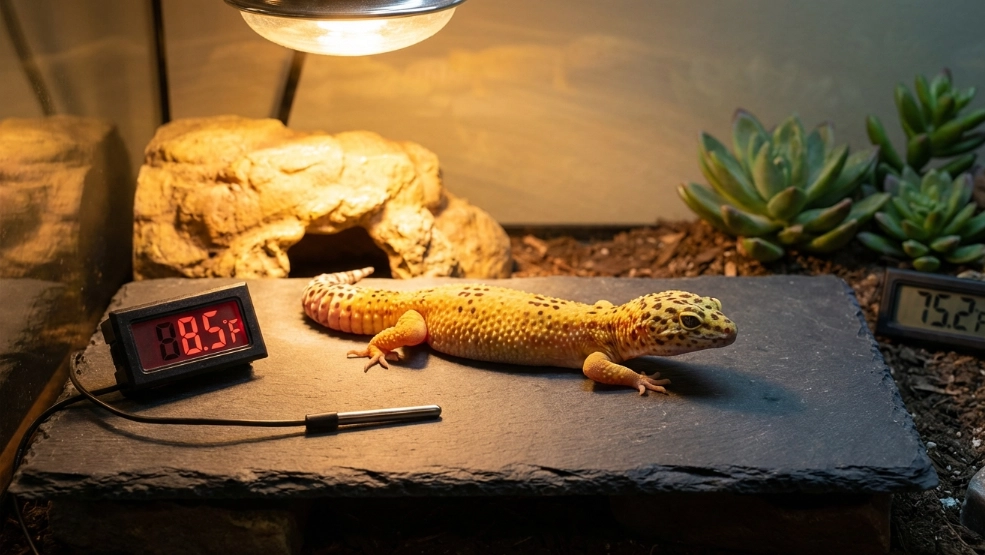
What Is a Reptile Temperature Gradient?
A temperature gradient is the range of temperatures across your enclosure, from the warmest basking spot to the coolest retreat. A proper gradient lets your reptile choose its own body temperature throughout the day. That's not a luxury. It's how their metabolism, digestion, and immune system work.
I keep a Colombian rainbow boa in a 4x2x2 enclosure. Her hot spot sits at 88°F, the cool corner hovers at 74°F. She moves between them three or four times a day. When I accidentally shifted her water bowl closer to the heat lamp last summer, she stopped using the cool side entirely for two weeks. Her appetite dropped. That's how sensitive they are.
The gradient isn't just left-to-right, either. It goes up and down too. Arboreal species like crested geckos use vertical gradients. A heat lamp at the top creates a warm zone near the screen, then cooler air pockets lower down. I learned that the hard way with my first crested gecko, a rescue with mild dehydration because the entire cage was one uniform 80°F.
How to Build a Gradient That Actually Works
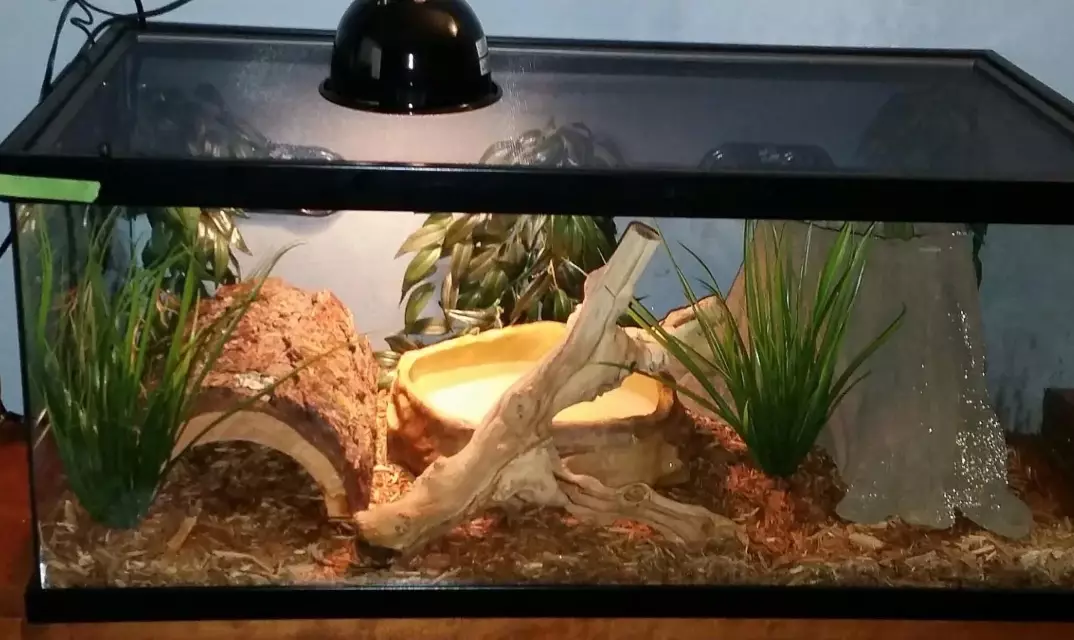
Here's the sequence I follow for any new setup, and it works for everything from leopard geckos to monitor lizards:
- Pick your heat source first. Halogen floods for daytime basking, deep heat projectors for 24-hour warmth, radiant heat panels for large enclosures. Avoid heat rocks. I've seen more thermal burns from those than any other product.
- Mount it at one end. Sounds obvious. But I can't count how many people put the heat lamp in the center "to spread it out." That kills the gradient. One end hot, one end cool. That's the whole point.
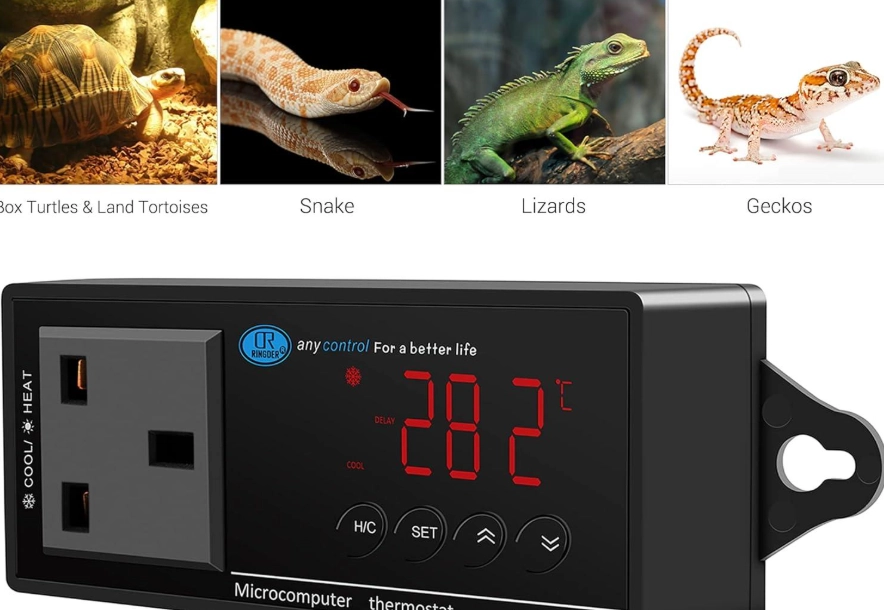
- Run it on a thermostat. A dimming thermostat for halogens. A pulse proportional one for deep heat projectors. The cheap on/off thermostats cause temperature swings that stress reptiles out.
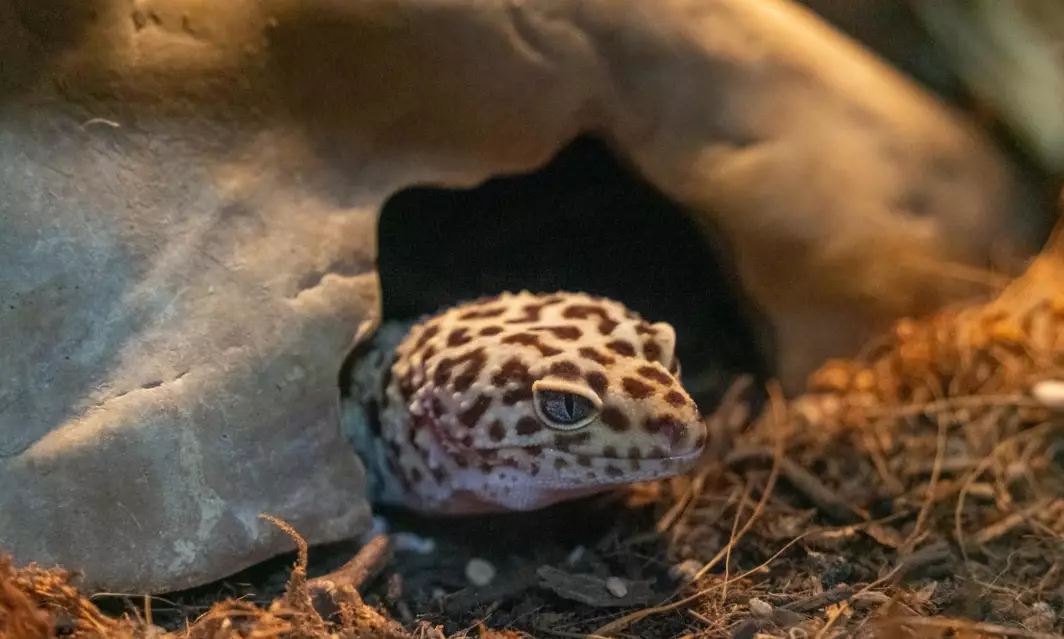
- Add a hide on each end. A warm hide near the basking spot and a cool hide on the opposite side. Cork rounds work well. My leopard geckos always choose the cool hide during shedding.
- Cover the screen with a panel if needed. Mesh tops bleed heat fast. In a 40-gallon breeder, a screen top dropped my hot spot from 95°F to 82°F within two hours. A piece of PVC or glass cut to fit fixed it.
One trick I use: place a flat rock or slate tile under the basking lamp. It absorbs heat and radiates it back slowly. My uromastyx spends hours pancaked on his slate, and the surface temperature stays stable even when the lamp cycles on and off.
Measuring Heat: Why Your Dial Thermometer Lies
That analog dial stuck to the back wall of your tank? It's telling you the air temperature about two inches from the glass. Not the basking spot. Not the cool hide. Just a random corner.
I use two tools: an infrared temp gun for spot checks and a digital probe thermometer for continuous monitoring. The temp gun tells me the surface temperature of the rock under the lamp. The probe sits in the cool hide and logs the low end. Both cost under $40 combined.
Here's a table I put together from real measurements in my own setups, so you can see the difference sensors make:
| Enclosure Type | Carapace/Surface at Basking Spot | Cool End Air | Probe Reading (Cool Hide) | Dial Thermometer Reading |
|---|---|---|---|---|
| 40gal breeder, bearded dragon | 108°F | 80°F | 78°F | 86°F |
| 24x18x12, leopard gecko | 94°F | 74°F | 72°F | 82°F |
| 4x2x2, Colombian rainbow boa | 88°F | 74°F | 73°F | 79°F |
| 18x18x24, crested gecko | 84°F (top screen) | 70°F (bottom) | 70°F | 78°F |
Notice how the dial thermometer always reads too warm on the cool end? That's because it's mounted near the heat source. Don't trust it.
5 Gradient Mistakes I See Every Week
1. Using a single thermometer. You need at least two: one at the hot spot, one at the cool end. The probe should sit inside the cool hide, not on the wall.
2. Forgetting about nighttime. Many reptiles need a temperature drop at night. A 10-15°F drop is normal. But if your house gets down to 62°F in winter, you need a low-wattage ceramic heat emitter on a thermostat to keep the cool end from freezing. I use a 60-watt deep heat projector on a pulse thermostat set to 72°F for my tropical species.
3. Stacking heat sources on one end without checking the spread. Two lamps on the hot end can create a hotspot of 120°F and still leave the cool end too warm if the enclosure is small. Measure before you add a second bulb.
4. Ignoring the substrate depth. A deep layer of loose substrate on the cool end insulates the glass. My bioactive tanks with 4 inches of soil mix read 2-3°F cooler than bare-bottom setups. That matters for species that burrow to escape heat.
5. Assuming the gradient stays stable. Room temperature changes, seasonal shifts, even a nearby window can skew things. I check my gradients with the temp gun every Sunday morning. Takes two minutes. Saved me from a cooked gecko more than once.
The mistake that still stings? I lost a beautiful Amazon tree boa years ago because I put the heat panel on the wrong end. The cool side was next to the wall, and the wall got direct afternoon sun. The "cool" end hit 88°F by 2 PM. She had nowhere to go. Now I always run a probe with an alarm. Learn from my mistake.
Real Questions from Keepers
Building a reptile temperature gradient isn't complicated. It's just a matter of measuring the right spots, putting the heat on one end, and giving your animal a cool retreat. The details matter more than the gear. I'd take a $40 setup with a temp gun and a dimmer over a $400 setup with no thermostat any day. Your reptile will show you whether you got it right. Watch where it sleeps, how it eats, and how active it is. The gradient is working when your animal uses the whole tank, not just one corner.
This article was fact-checked against the husbandry guidelines published by the British Herpetological Society and the Association of Reptile and Amphibian Veterinarians.