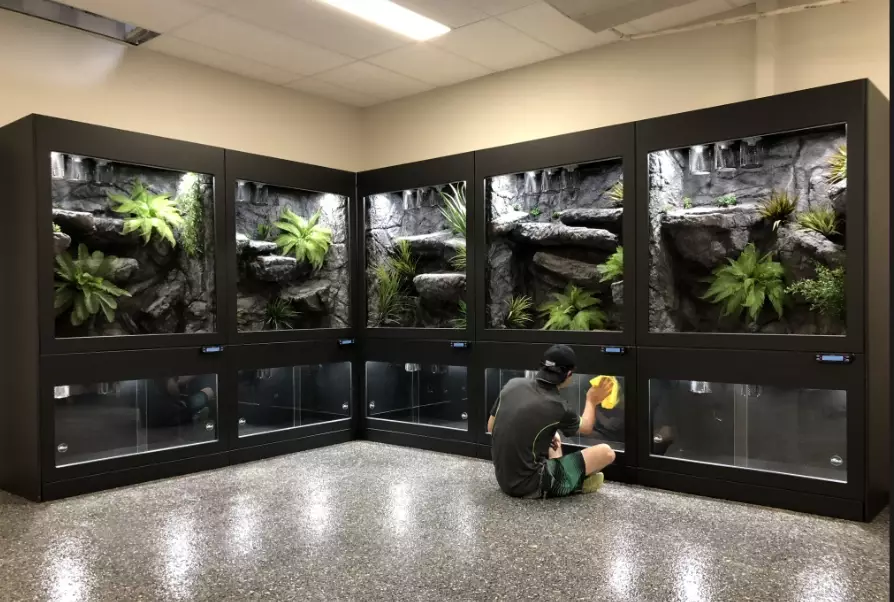
A gecko that skips dinner gets your attention fast. I've kept leopard geckos and crested geckos for over ten years, and I still catch myself staring into a tank wondering why my gecko is not eating. Nine times out of ten it comes down to temperature, stress, or a shed cycle. The tenth time? Something subtle that a quick checklist won't catch.
Before we dig in, know this: a healthy adult gecko can go one to two weeks without food without real danger. A juvenile or a freshly hatched one has less cushion. The faster you find the cause, the fewer vet visits you'll be booking.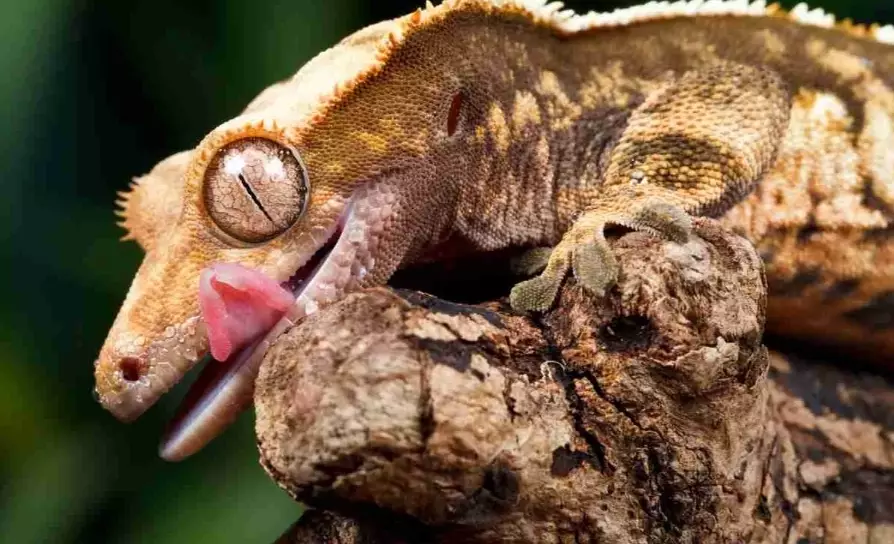
Temperature and the Digestion Rule
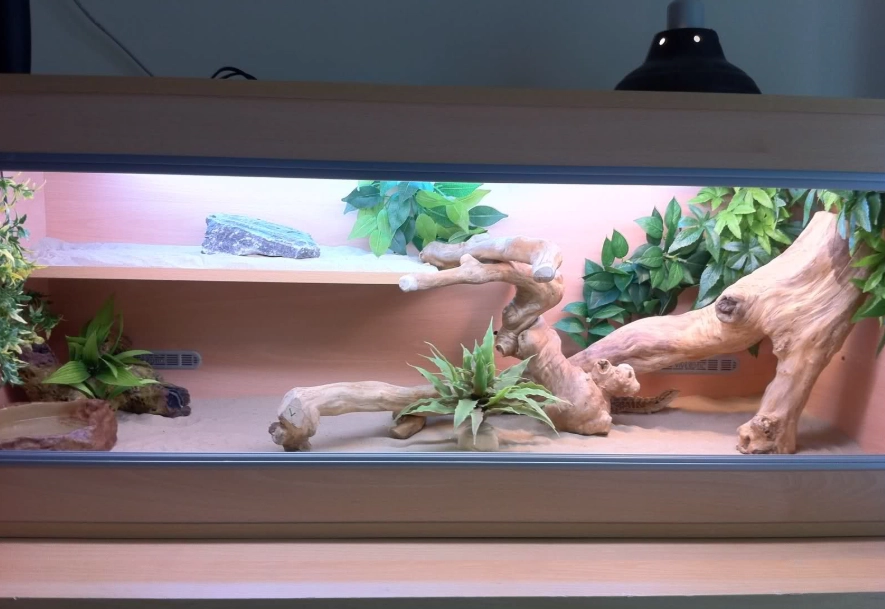
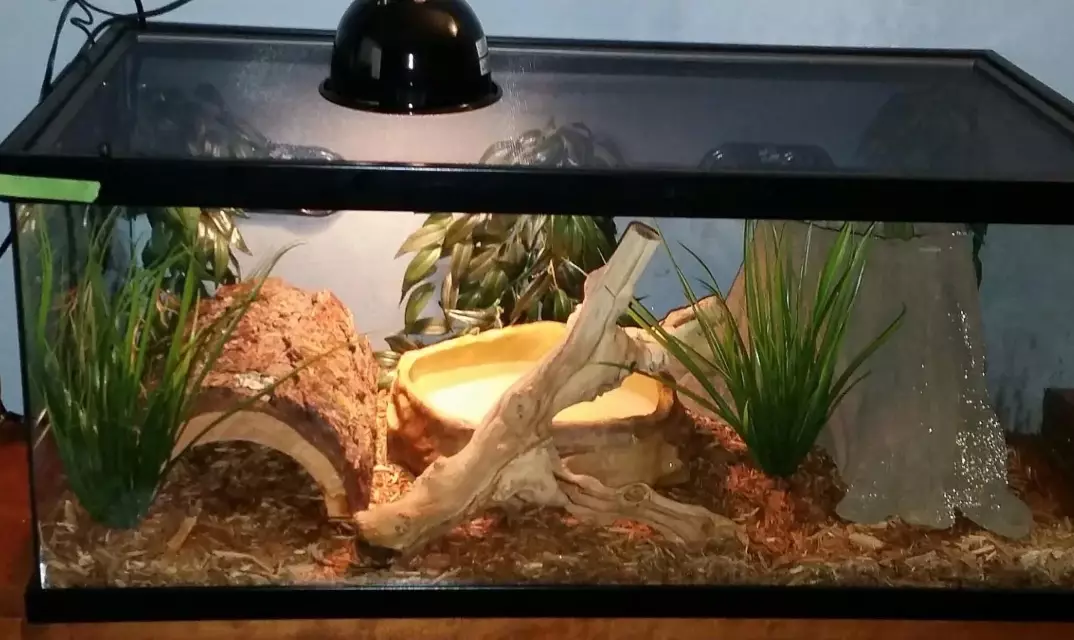
Geckos are ectotherms. They don't burn food without heat. I learned this the hard way with a leopard gecko named Pip who stopped eating for six days in a cold snap. My hot-spot thermometer read 82°F. That's below the sweet spot.
For leopard geckos, the warm hide needs to sit between 88°F and 92°F. The cool side should stay around 75°F. Crested geckos are a different story: keep the whole enclosure between 72°F and 78°F, and never let it creep past 82°F.
Once I bumped Pip's hot spot to 90°F, he ate two crickets that same night. No supplements changed. No new feeders. Just heat.
Stress, Hiding and the New Tank Problem
A gecko that stays hidden all day and ignores food is often stressed, not sick. New enclosures, a new tank mate, loud music, a cat staring through the glass, or constant handling can all kill appetite.
I've seen this with rescues more than anything. A rehomed crested gecko named Mango refused food for eight days after arriving. The previous owner had handled her daily. I left her completely alone for a week, covered three sides of the tank with paper, and offered food only after dark. She ate on day nine.
- Give a new gecko a full week with zero handling.
- Cover the tank sides if it's in a high-traffic room.
- Offer food at dusk or after lights out. Most geckos are crepuscular or nocturnal.
Also check the hide situation. A gecko with only one hide has nowhere to feel safe. I always give at least three: one warm, one cool, one humid.
Shedding Cycles and the Hunger Pause
Most geckos go off food for two to five days before a shed. The skin turns dull, colors fade, and appetite drops. This is normal. Don't panic and don't force anything.
What matters is the shed itself. A stuck shed around the toes or tail tip is a real problem. I check toes on every gecko weekly. Dry stuck skin can cut off circulation. Bump the humid hide moisture and give a shallow lukewarm soak for ten minutes if you see white rings around the toes.
One odd thing I've noticed: leopard geckos on a loose substrate sometimes swallow a bit while shedding and then refuse food for a day. It passes. Watch for it, but don't treat it as illness unless it lasts more than three days.
Food Size, Species and Picky Eating
Wrong-size prey is a silent cause of appetite loss. A hatchling gecko can't manage an adult dubia roach. It'll strike, miss, or give up. The old rule holds: prey should be no wider than the space between the gecko's eyes.
| Gecko Type | Best Feeder Size | Common Refusal Trigger |
|---|---|---|
| Leopard gecko juvenile | Small crickets or small dubia, 1/4 inch | Prey too hard-shelled |
| Leopard gecko adult | Medium crickets, 1/2 inch dubia | Same feeder offered too many days in a row |
| Crested gecko | Powdered diet plus small crickets | Diet too thick or too watery |
| African fat-tailed gecko | Small to medium crickets | Low humidity, dry tank |
Crested geckos are notorious for diet boredom. I rotate between two powdered diet brands and add a tiny bit of mashed mango once a week. That keeps them interested. Leopard geckos on a pure insect diet can get hooked on one feeder. I vary between crickets, dubia, and occasional waxworms as treats only.
One subtle mistake I see all the time: people offer food and then leave it in the tank overnight. Crickets chew on geckos. Always remove uneaten feeders within a few hours.
When Appetite Loss Means Illness
Some appetite loss needs a vet, not a husbandry tweak. Watch for these signs and act fast:
- Weight loss you can see in the tail (tail thickness is the real health gauge).
- Lethargy with sunken eyes or a wrinkled body.
- Abnormal droppings, runny or greenish.
- Mouth rot, bubbling, or open-mouth breathing.
- Impaction: no droppings for over a week with a hard belly.
Metabolic bone disease in leopard geckos often shows up as a wobbly walk before appetite drops. Calcium with D3 matters, but too much D3 can also suppress appetite. I dust feeders with calcium twice a week and use a low-level UVB bulb on a timer to help natural synthesis. If you're unsure, a reptile vet can run a quick blood panel. The Association of Reptilian and Amphibian Veterinarians has a find-a-vet tool worth bookmarking.
Parasites are another one. A gecko that eats but stays thin, or refuses food with a bloated belly, needs a fecal check. I've had two rescues test positive for pinworms. Neither showed any other sign besides appetite loss.
Questions I Get All the Time
My leopard gecko won't eat but is active and looks fine. Should I worry?
Not for the first ten days. If the tail is still thick and the gecko is moving around at night, this is usually a seasonal slowdown or a shed coming. Watch the tail thickness, not the calendar. If the tail starts thinning, that's your trigger to book a vet visit.
How do I tell if my crested gecko is boycotting its powdered diet or actually sick?
Try a live cricket once. A hungry but picky crested gecko will usually pounce on a cricket. A sick one ignores everything. Also check the diet prep: if it's too thick or too watery, they'll refuse it. I mix mine to a ketchup-like consistency and check the expiration on the powder. Old powder loses smell and appeal.
Will force-feeding help my gecko start eating again?
Only as a last resort under a vet's guidance. Force-feeding a stressed gecko makes things worse. I've seen owners shove food into a gecko that was just too cold to digest, and the food rotted in the gut. Fix the heat first, then wait. Appetite comes back with the right conditions.
My gecko eats but spits the food back out. What's going on?
Check the feeder size and the shell. Large mealworm shells or adult dubia can be too tough for a small gecko. Also check for mouth rot or a sore spot on the jaw. One of my rescues had a tiny cut inside the lip from a cricket bite; once it healed, she ate normally.
This article was fact-checked against standard husbandry guidance and my own decade of hands-on experience keeping multiple gecko species. If you're still stuck after a week of temperature checks, quiet time, and proper feeder sizing, get a reptile vet involved. That's not a failure. It's just the next step.