Most corn snake care sheets hand you a list of temperatures and call it done. That's not the hard part. The hard part is knowing why your snake refuses a meal two weeks after a perfect shed, or why that "fine" mesh lid suddenly looks like an escape hatch. I've kept and rehabbed more corn snakes than I can count, and this sheet covers the stuff that actually trips people up.
What's in this guide
Enclosure Numbers That Match Reality
Here's a non-consensus take: a 20-gallon tank is fine for a hatchling, but the clock runs out faster than most care sheets admit. A corn snake stretches out. By the time it's a year old, that little glass box turns into a stress machine. I moved my first corn into a 4x2x2 foot PVC enclosure at 14 months, and the difference in feeding response was immediate.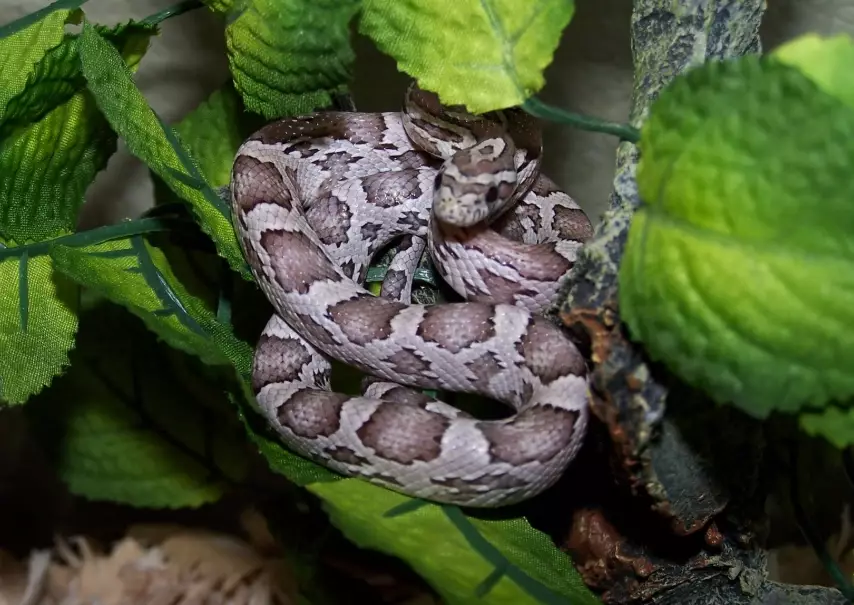
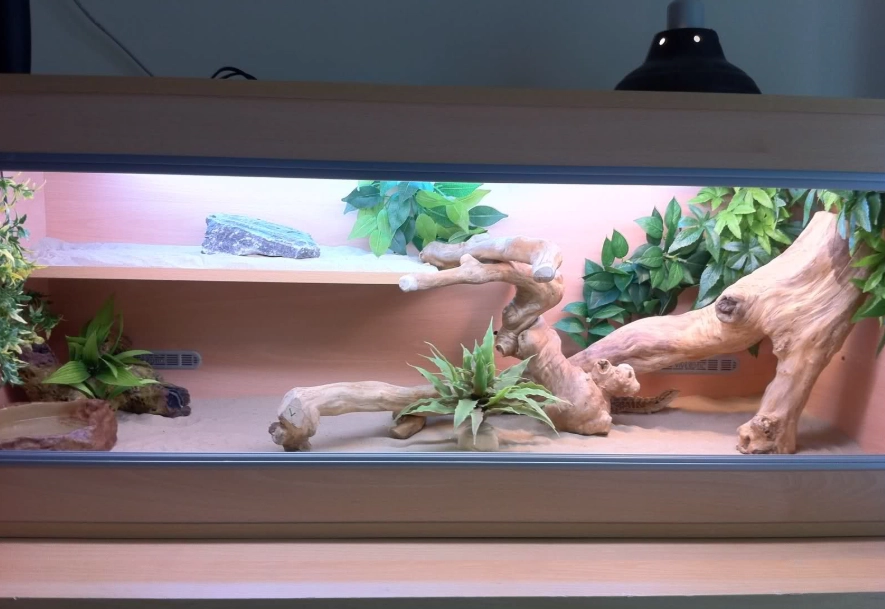
For an adult, a 4-foot by 2-foot footprint is the practical floor, not the ceiling. Height matters less than floor space, but give at least 18 inches so climbing branches aren't crammed against the lid. Screen-top tanks dry out fast. I use a PVC enclosure with a solid top and a small vent strip, and humidity holds much steadier.
| Life Stage | Minimum Enclosure | Substrate Depth | Key Detail |
|---|---|---|---|
| Hatchling (0-6 months) | 10-20 gallon | 1 inch | Tight lid, no gaps over 3mm |
| Juvenile (6-18 months) | 40 gallon breeder | 2 inches | Add a humidity hide |
| Adult (18+ months) | 4x2x2 ft PVC | 3-4 inches | Secure vent, climbing branch |
One detail nobody mentions: corn snakes are escape artists through the smallest gap. I once found a juvenile wedged behind a thermometer probe cable hole that was barely wider than a pencil. Seal every cable gap with silicone or route cords through a drilled grommet.
How to Build the Right Heat and Light Gradient
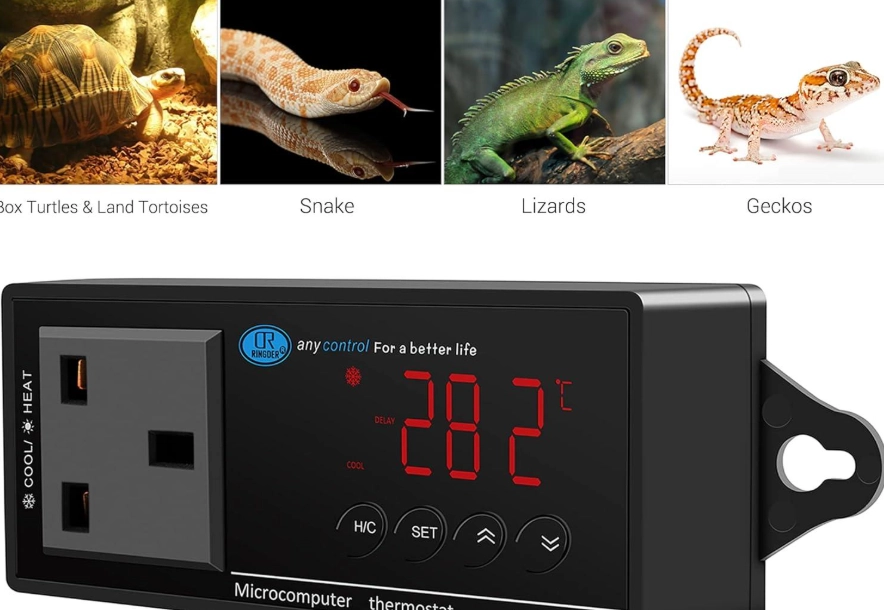
The warm side should sit at 85°F (29°C) on the surface, measured with an infrared temp gun, not a stick-on dial. The cool side runs 72-75°F (22-24°C). That spread lets the snake regulate. A heat mat under one-third of the floor works, but a ceramic heat emitter on a thermostat gives you a gentler ambient climb and doesn't cook the belly.
Lighting? Corn snakes are crepuscular, so UVB isn't strictly required. That said, a low-output 5% UVB tube on a 12-hour cycle improved appetite and color in my adults. Skip colored bulbs. A plain white or halogen heat lamp plus a dark hide on the cool end does the job.
What Is the Right Feeding Schedule by Age?
New keepers overfeed. That's the pattern I see most. A corn snake's metabolism is slow, and a fat snake is a sick snake. The feeder should leave a barely visible lump, and the snake should be hunting again within a few days.
| Age | Prey Size | Interval | Real-World Note |
|---|---|---|---|
| Hatchling | Pinkie | Every 5-7 days | Warm the pinkie to 100°F in a bag in warm water |
| Juvenile | Fuzzy to hopper | Every 7-10 days | Skip if in blue (pre-shed) |
| Adult | Adult mouse | Every 10-14 days | One prey item, not two |
Don't handle for 48 hours after a meal. I learned that the hard way with a juvenile that regurgitated a fuzzy after I picked it up too soon. Regurgitation is serious. It burns the esophagus and resets the gut. If it happens, wait 10 days, offer a smaller prey item, and keep the snake quiet.
Non-consensus tip:feeding in a separate tub is unnecessary stress for most corn snakes and often causes refusals. Feed inside the enclosure, on a flat dish or a piece of slate, so substrate doesn't stick to the prey.Handling, Shedding, and Health Checks
Corn snakes tolerate handling well, but short sessions beat long ones. Ten minutes, two or three times a week, is plenty for a settled adult. Support the body with both hands and let the snake move through your fingers rather than gripping it.
Shedding is the health check you get for free. A complete shed in one piece means humidity and hydration are on point. A patchy shed means bump humidity to 70% during the blue phase and add a humid hide packed with damp sphagnum moss. I check the eye caps and tail tip every time, because retained tail shed can cut off circulation.
Watch for these red flags: wheezing or clicking (respiratory infection), a swollen belly after feeding (impaction risk if substrate is loose), and weight loss despite regular meals (parasites or stress). A kitchen scale and a monthly weight log catch problems early. My adult male held steady at 380 grams for years; a sudden 30-gram drop sent me to the vet for a fecal check.
Mistakes I See New Keepers Make
- Trusting stick-on thermometers. They read air, not surface, and they're often off by 8-10 degrees.
- Cozy hides on both ends. One hide should be big enough that the snake coils loosely, not tight.
- Feeding live prey. Frozen-thawed is safer for the snake and the mouse. A live mouse can bite and cause abscesses.
- Over-cleaning. A full substrate change every 4-6 weeks with spot cleaning is enough. Scrubbing everything weekly stresses the snake and kills beneficial microbes.
- Ignoring the escape gap. Corn snakes push lids. Use locking clips or a sliding glass track.
Questions People Actually Ask
My corn snake refuses food during winter. Is it brumation or something worse?
Short daylight and cooler room temps can trigger a slowdown, but true brumation in captivity should be planned with a vet if you're breeding. For a pet, check your warm spot first. If it's dropped below 82°F because the room got cold, the snake won't digest and won't eat. Bump the thermostat and offer a smaller prey item after a week. If weight holds, it's usually environmental, not illness.
Can I use a heat rock with a corn snake?
Skip it. Heat rocks create a single hot contact point that can burn a snake's belly, and corn snakes burrow. A thermostat-controlled mat or overhead emitter spreads heat more safely. I've seen more thermal burns from heat rocks than from any other single piece of equipment.
How do I know if my corn snake is overweight?
Look at the shape, not the scale alone. A healthy corn snake has a rounded loaf shape with a slight ridge along the spine. If the body looks like a sausage with skin folds when it coils, cut the feeding interval by a few days. My test: the snake should look almost triangular in cross-section, not round.
What substrate is safest for a corn snake?
Aspen shavings work well for a dry setup, but they mold fast if humidity spikes. I use a mix of coco coir and play sand for adults because it holds a burrow and dries evenly. Avoid cedar and pine, which contain aromatic oils that irritate the respiratory tract. If you feed in the enclosure, place prey on a slate tile to keep substrate off the food.
This care sheet reflects hands-on husbandry experience and has been fact-checked against established reptile husbandry references, including the Association of Reptile and Amphibian Veterinarians care guidelines.