⚡ Quick jump (what I'd check first)
Most reptile keepers miss the early signs of a sick reptile because reptiles hide illness until they can't. I've kept and rehabbed everything from bearded dragons to ball pythons for over a decade, and I still catch myself second-guessing subtle changes. The truth? By the time you notice obvious symptoms, you're often already behind. Here's what I look for in my own collection—and what I wish more owners caught before walking into my exam room.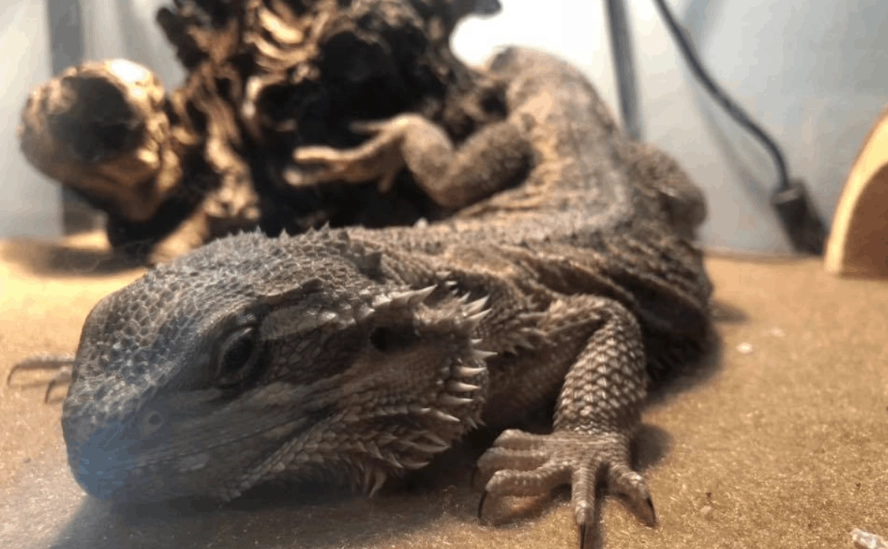
1. Behavioral red flags: what your reptile is trying to tell you
Behavior changes are the first domino. A reptile that suddenly stops basking, hides constantly, or seems restless at night is waving a flag.
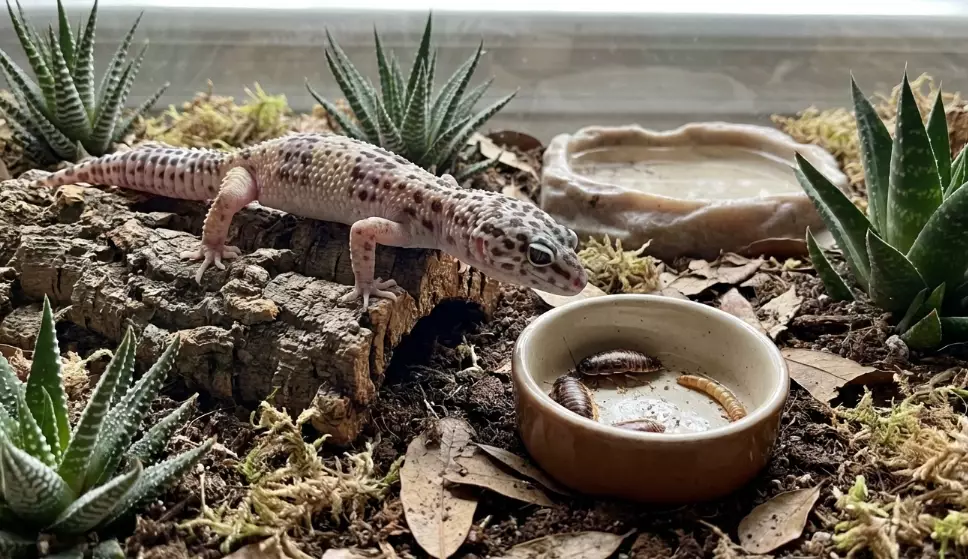
Lethargy that goes beyond "lazy." A normally calm gecko that doesn't bother moving when you open the enclosure isn't chill—it's weak. I once had a client bring in a leopard gecko that "just liked sleeping in the cool hide." Turned out it had a respiratory infection and was avoiding the heat to reduce breathing effort. That's not relaxation. That's distress.
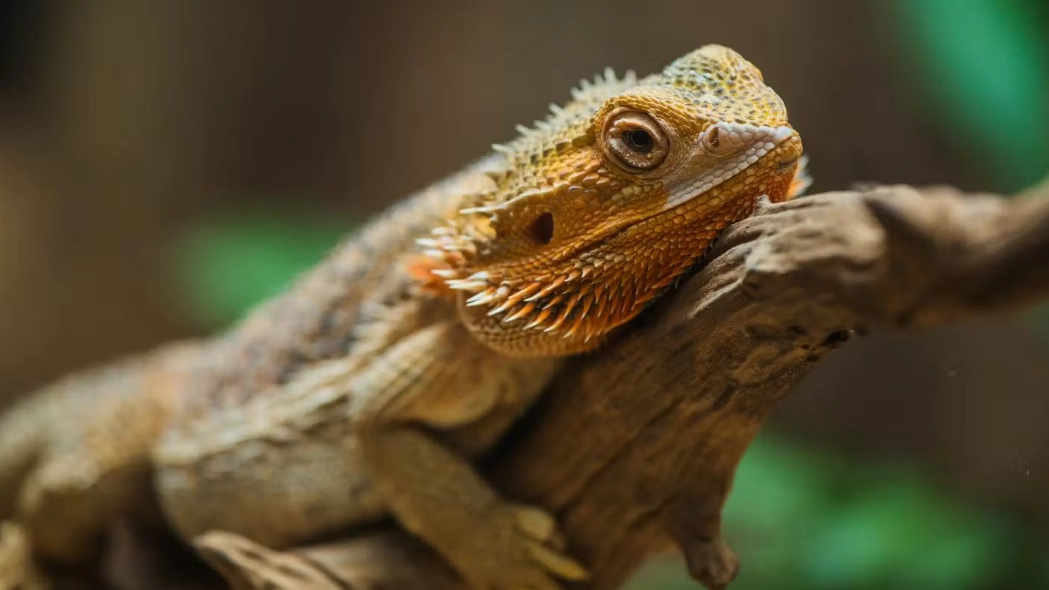
Abnormal basking posture. Watch how your reptile sits under the heat lamp. A bearded dragon that pancakes flat with its head down and eyes closed for hours isn't soaking up rays—it might be too weak to thermoregulate. Healthy basking looks alert: head up, eyes open, moving between spots.
Pacing or glass surfing. Sure, some reptiles do this when they want out. But if it's new and relentless, especially in snakes, it could signal pain or neurological discomfort. I've seen ball pythons surf glass for hours because their hot spot was 10 degrees too low—they were trying to escape a thermal gradient that wasn't working.
2. Physical symptoms: the ones I see in my clinic weekly
Physical signs are easier to spot once you know where to look. Run through this checklist every time you handle your reptile.
| Body area | Sign to watch | What it often means |
|---|---|---|
| Eyes | Sunken, crusty, or half-closed | Dehydration, vitamin A deficiency, infection |
| Mouth | Stringy saliva, bubbly discharge, red gums | Stomatitis (mouth rot), respiratory infection |
| Skin | Discolored patches, stuck shed rings, wounds that won't heal | Burns, scale rot, fungal or bacterial infection |
| Vent/cloaca | Swelling, discharge, prolapse | Impaction, infection, parasites |
| Joints | Swelling, stiffness, trembling | Metabolic bone disease, gout, injury |
| Feces | Runny, bloody, undigested food, mucus | Parasites, infection, poor digestion |
I keep a cheap kitchen scale and weigh my reptiles weekly. A 5% drop over two weeks in an adult snake? That's not "seasonal appetite." That's a problem. I learned that the hard way with a rescue corn snake that dropped 12% body weight before I noticed the stuck shed around its tail tip cutting off circulation.
3. Feeding and weight changes that matter
Refusing food is the most reported reptile illness symptom, but context matters. Breeding season, brumation, and shed cycles all cause legitimate hunger strikes. The red flag is a refusal that comes with other changes—weight loss, lethargy, or abnormal feces.
Here's my rule of thumb: if a reptile misses two consecutive meals and shows any other sign on this list, it's vet time. Don't wait for three. A healthy reptile that's just being picky won't lose weight fast. A sick one will.
Also watch how they eat. A chameleon that shoots its tongue and misses repeatedly might have a vitamin A issue. A snake that strikes but doesn't coil, or drops prey after grabbing it, could be dealing with mouth pain or neurological problems. I once watched a client's ball python try to eat a rat sideways for ten minutes—turned out it had a mouth infection that made normal striking painful.
4. How to tell if it's husbandry, not illness
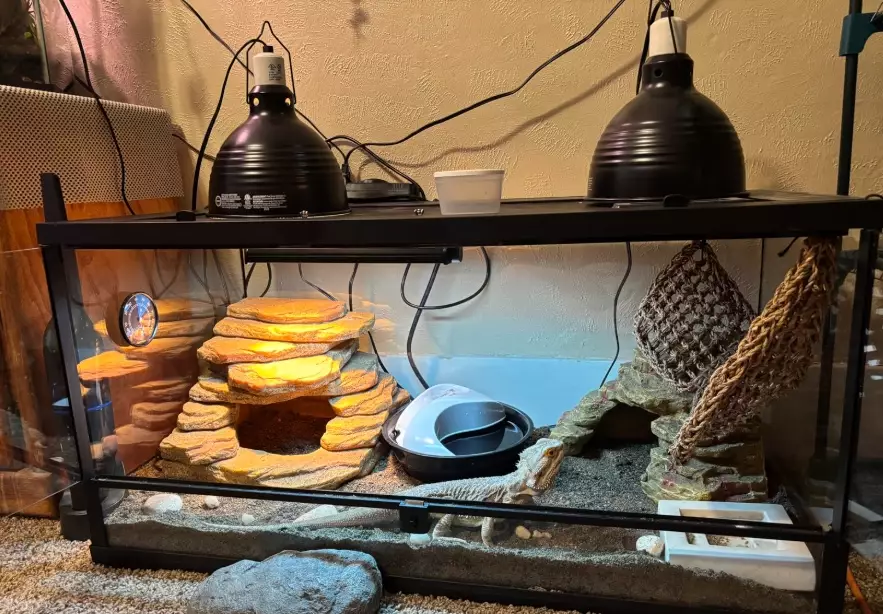
Before you panic about disease, check the basics. Many "sick reptile" cases are actually husbandry failures in disguise. I ask every new client to bring photos of their enclosure and a printout of their thermostat settings. Half the time, the fix isn't medicine—it's a new heat bulb.
- Temperature gradient: Is the basking spot actually reaching the right temp? Measure with an infrared gun, not a stick-on dial.
- Humidity: Is it right for the species and the time of year? A hygrometer costs less than a vet visit.
- UVB: Is your bulb older than 6-12 months? UVB output fades long before the light dies. Replace it on schedule.
- Hydration: Is fresh water available daily? Does your reptile actually drink? Some species need misting or a running water source.
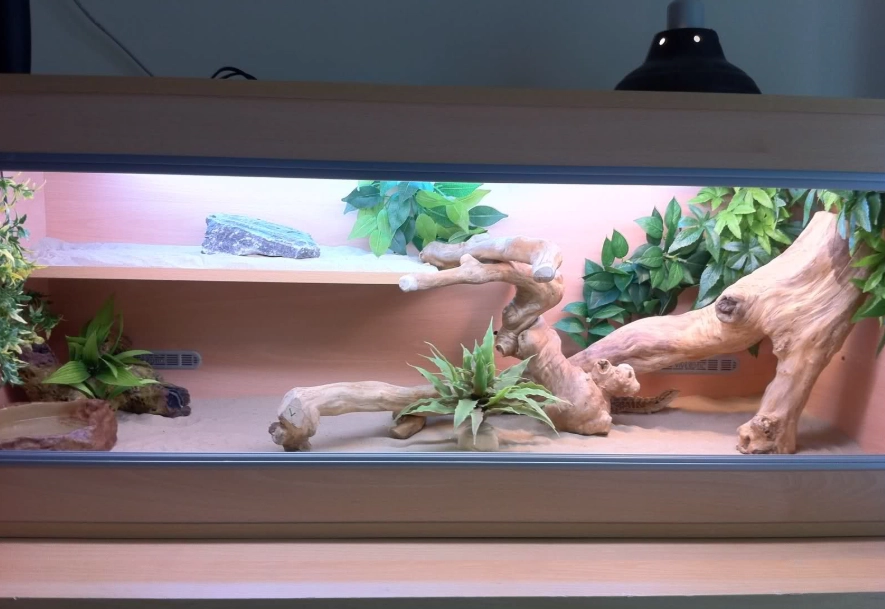
- Enclosure size and clutter: Too small or too bare can cause stress that mimics illness.
Here's a case that still bugs me: a client's crested gecko stopped eating and started sleeping on the ground. She was convinced it had a parasite. I checked her setup—and her tank was 85°F during the day. Cresties want cooler temps. She'd added a heat mat because "it felt cold in her apartment." The gecko wasn't sick. It was cooking. Three days after removing the mat, it was back on the glass, eating repashy like nothing happened.
5. When to stop waiting and see a vet
I get it—reptile vets are expensive and hard to find. But there's a line. Cross it when you see:
- Open-mouth breathing at rest (not after a chase or during a shed)
- Any prolapse (vent, hemipenes, or stomach)
- Blood in stool or vomit
- Seizures, tremors, or head tilt
- Refusal to eat for three weeks in a normally eager feeder, combined with weight loss
For everything else, a good reptile vet will often do a fecal check first (cheap and fast) and a physical exam. Find one through the Association of Reptilian and Amphibian Veterinarians (ARAV) directory—don't just go to the closest small-animal clinic. Most don't have reptile training.
One more thing: if your reptile is a newly acquired pet from a chain store or a rehoming situation, assume it needs a checkup even if it looks fine. I've seen more than one "healthy" rescue beardie turn out to have coccidia. A $40 fecal test saves a lot of heartache.
6. FAQ: straight answers to messy situations
This article was fact-checked against guidelines from the Association of Reptilian and Amphibian Veterinarians and the British Veterinary Zoological Society. It's not a substitute for hands-on veterinary care.