Your Quick Action Plan
I still remember the first time my bearded dragon, Spike, stopped eating for three days. I thought he was just being picky. Turns out, he had the early signs of a respiratory infection. That close call taught me something crucial: reptiles hide illness until it's almost too late. Over ten years of keeping everything from leopard geckos to ball pythons, I've learned that spotting a reptile vet visit sign early is the difference between a simple fix and an expensive, heartbreaking emergency. So let me save you the panic I felt that day.
This isn’t a vague list of “watch out.” I’m giving you the exact things I look for, the stuff most care sheets skip, and the non-negotiables that mean you’re calling the vet today, not next week.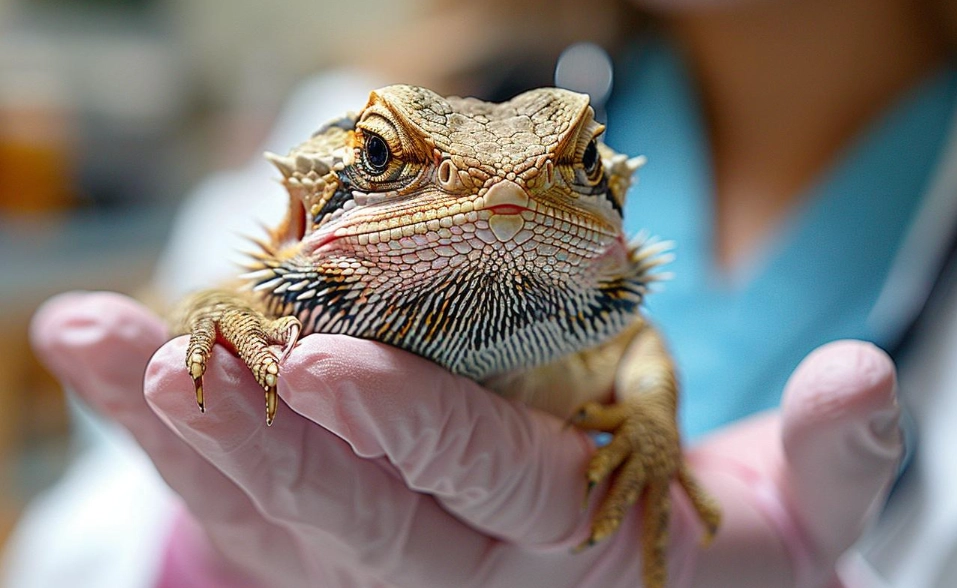
Signs That Demand Immediate Vet Attention
Some things can wait. These can’t. If you see any of these, skip the forums and call your exotics vet. (If you don’t have one, get one now—reptiles don’t schedule their emergencies around your convenience.)
- Open-mouth breathing or wheezing: Not to be confused with a defensive gape. If your reptile is holding its mouth open while resting, making clicking sounds, or blowing bubbles from the nose, that’s respiratory distress. I once saw a ball python do this, and the vet said we caught it just before a full-blown pneumonia. Don’t wait.
- Bleeding from the mouth or cloaca: Obviously an emergency. But a lesser-known sign is a cloacal prolapse—where tissue sticks out and won’t go back in. You need to keep it moist with a damp cloth and get to the vet immediately. Delay can cause necrosis.
- Sudden paralysis or seizures: This screams calcium deficiency or toxicity. I’ve seen a leopard gecko go from a slight wobble to full-body tremors in 48 hours. It’s fixable if caught fast, but you need a vet who knows reptiles.
- Refusing all food for more than one week (adults) or three days (hatchlings): Hatchlings and juveniles crash fast. Adults can go a bit longer, but a full week of zero interest—not even a tongue-flick—is a red flag.
- Muscle twitching or “star-gazing”: That’s a neurological sign, often from metabolic bone disease or an infection. One keeper I know mistook it for “cute stretching.” It wasn’t.
How to Identify Subtle Behavioral Changes in Reptiles
Here’s where a lot of new keepers get tripped up. They’re looking for blood or dramatic symptoms. The real early warning signs are far quieter—and honestly, that’s why I keep a weekly log for all my animals.
Take a simple thing like basking. If your bearded dragon suddenly stops basking, that’s not “oh, he’s just chilling.” It could mean joint pain, lethargy, or a low immune response. A healthy reptile actively moves to thermoregulate. When that stops, something’s off.
Another one: hiding all day when they’re usually out. I had a crested gecko that started hiding in the same corner 24/7. He wasn’t shy—he was stressed and dehydrated. The vet found early signs of impaction. Now I check hiding behavior like a hawk.
Don’t overlook changes in feeding response. My rule: if the prey response drops for two consecutive feedings, I start asking questions. For snakes, a skipped meal isn’t always a crisis (especially in winter), but consistent refusal paired with weight loss or a dull appearance? That’s a vet call.
“A lot of keepers don’t realize that a reptile’s metabolism is so slow that by the time they show obvious signs, the disease is advanced. The best tool is a baseline weight and a weekly observation habit.” — Dr. J. Emerson, exotic vet (paraphrased from a seminar I attended).
Physical Symptoms You Should Never Ignore
These you can see if you look closely. I do a quick once-over every week, especially after shedding.
| Symptom | What It Might Mean | Action |
|---|---|---|
| Sunken eyes or skin that stays “tented” when pinched | Dehydration | Vet visit within 48 hours; review mister and water bowl |
| Discolored patches or dark spots on the belly | Fungal or bacterial infection (often from a dirty enclosure) | Vet visit needed; do not treat with over-the-counter creams |
| Regurgitation (not just a one-off after a big meal) | Parasites, infection, or incorrect temperatures | Vet visit if it happens twice |
| Hard, distended belly that feels like a balloon | Impaction or constipation | Emergency vet if no bowel movement in 5+ days |
| Shedding that comes off in pieces and leaves stuck rings around toes or tail | Retained shed or low humidity | Soak and vet visit if rings don’t slide off in 2 days |
One thing I’d add: don’t ignore a prolapsed hemipene (in males). It looks like a small pinkish organ sticking out. If it’s still out after a couple of hours, that’s a vet visit—and yes, that includes a late-night call. I’ve heard horror stories of keepers waiting until morning and losing the organ.
What to Do Before the Appointment (So You Don’t Waste It)
I’ll be blunt: a good reptile vet vetting is not cheap. But you can make the visit more effective by bringing actual data. Vets love data. Here’s my checklist that I keep on my fridge (yes, each species has its own):
- Photo log: Take photos of the enclosure every day for a week, especially the warm side. Vets want to see your setup, not just hear about it. The one time I brought a photo, the vet instantly spotted the UVB light was too far away.
- Temperature and humidity log: Not “I have it set right.” Actual numbers from a digital thermometer. I use cheap hygrometers and log twice a day. That saved my first chameleon—the vet caught a night drop that was too extreme.
- A fresh fecal sample: Double-bagged. That’s step one for most vets when diagnosing anything weird. Don’t freeze it—just keep it in the fridge for up to 24 hours.
Also, call ahead and confirm the vet actually sees reptiles. Not all “exotic” vets are comfortable with them. I learned that the hard way when a local clinic admitted they only treated birds. Waste of a 30-minute drive.
My snake didn’t eat this week but seems fine otherwise. Should I book a vet visit just for one missed meal?
Probably not—yet. For adult snakes, especially in winter or during shedding, a single skipped meal is normal. But if that stretches to a second missed meal, or you notice weight loss, lethargy, or a change in behavior, that’s when I stop waiting and call. The mistake I see most often? New keepers obsess over one skipped feed and ignore that their snake is still bright-eyed and active. Focus on the whole picture, not a single data point.
What are early reptile vet visit signs I could mistake for “just shyness”?
Hiding all the time is a big one. New owners think it’s normal because the reptile is “new.” But if your bearded dragon or gecko has been hiding consistently for more than a few days, and isn’t coming out even at dusk (for crepuscular species), it’s a warning. Pair that with dull colors or a lack of basking, and I’d be setting up a vet visit. Another under-the-radar sign: loss of interest in the usual favorite food. My leopard gecko stopped going for waxworms—that was my first clue to a low-level infection.
I don’t have a reptile vet nearby. What should I do if I spot emergency signs?
This is a situation I’ve been in. First, call the nearest exotic vet to see if they do phone triage. Often they can guide you on immediate steps (like adjusting humidity for a stuck shed) while you find transport. If that’s not possible, your next best bet is a university veterinary teaching hospital—they usually have exotics specialists. Don’t turn to online forums for emergency treatment. I’ve seen people try to treat a prolapse with sugar paste (it can help temporarily) but it’s not a fix. The real answer: get to a professional, even if it’s an hour away.
My reptile has a small cut. When does a wound require a vet instead of home care?
Depth matters more than size. If it’s a surface scratch, a gentle diluted betadine wash (after talking to your vet) can work. But if you can see tissue beneath the skin, if it’s bleeding consistently, or if it’s on the mouth or eyes, that’s a vet visit. Reptile mouths are full of bacteria, and a mouth wound can turn into a nasty infection. I once tried to treat a minor mouth cut on my monitor lizard with diluted iodine, and the vet later told me that was okay, but the risk of infection was high enough that I should have come in. Better safe.
Look, nobody knows your reptile better than you do. If your gut says something’s off, trust it. A vet visit is never a waste of money if it gives you peace of mind—or catches something early. That’s the lesson I pass on to every new keeper who asks me. The subtle signs you spot today can save you a mountain of regret tomorrow. This article was fact-checked with information from the Association of Reptilian and Amphibian Veterinarians (ARAV) and several exotic vet practitioners.