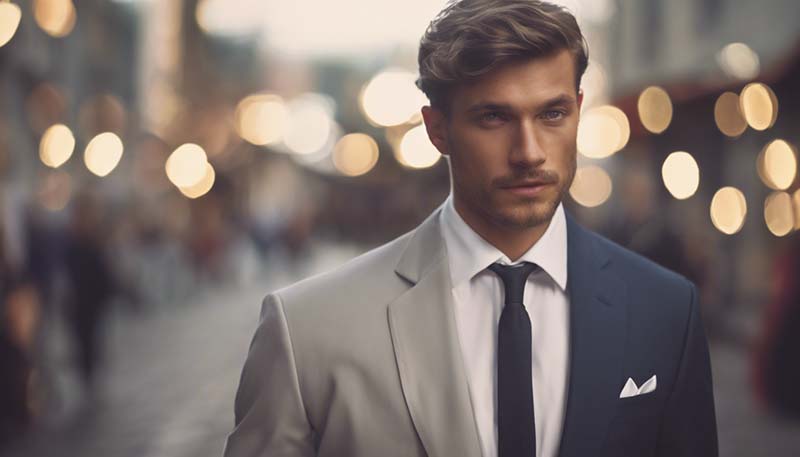
Let's be honest. After 40, your wardrobe needs a different conversation. It's not about chasing every trend that flashes on your Instagram feed. It's about building a foundation of clothes that feel like you, look sharp without trying too hard, and actually last more than a season. The goal isn't to look younger; it's to look better—more confident, more put-together, more authentically yourself. This guide cuts through the noise and focuses on the pieces that work, why they work, and how to wear them in a way that fits your real life.
Your Quick Style Roadmap
The Mindset Shift: Quality Over Quantity
This is the most important point, and most guys get it wrong. You're not a college student anymore. Buying five cheap polo shirts that lose their shape after three washes is a false economy. I learned this the hard way after a closet full of meh clothes that I never wanted to wear.
The new rule: buy less, but buy better.
Focus on fibers and construction. A 100% cotton oxford cloth shirt will outlive and outperform a poly-cotton blend every time. Wool trousers breathe and drape in a way synthetic blends simply can't mimic. This isn't about spending a fortune on designer labels—it's about understanding value. Brands like Uniqlo offer remarkable quality for the price in basics, while stepping up to makers like Spier & Mackay or J.Crew (on sale) gets you into full-canvas jackets and superior fabrics.
Expert Tip: The single biggest mistake I see men over 40 make is ignoring fit because they're stuck on a size from a decade ago. Your body changes. A shirt that fits in the shoulders but is tight across the chest doesn't make you look powerful; it makes you look uncomfortable. Prioritize the shoulder seam and collar fit above all else—these are the hardest to alter. The waist can always be taken in.
How to Build a Versatile Foundation?
Your foundation pieces are the workhorses. They mix and match effortlessly, dressing up or down depending on the occasion.
The Indispensable Blazer
Forget the stiff, boxy suit separates of the past. The modern blazer for a man over 40 is softer, with some texture. Navy hopsack wool is the undisputed champion—it's breathable, doesn't show wrinkles easily, and works with nearly every color pant you own. The second option? A tweed or corduroy blazer in olive, brown, or grey. It instantly adds depth and a touch of casual intellect.
Fit is everything. The sleeves should end just at the base of your thumb, showing a quarter to a half-inch of shirt cuff. The jacket should button without straining.
Trousers That Actually Fit
This is where many falter. Ditch the skinny jeans and overly baggy chinos. Aim for a straight or slight taper leg with a mid-rise waist that sits at your natural hip, not below it. This is more flattering and comfortable.
- Wool Trousers (Grey or Navy): Unbeatable for business casual or smart evenings. They look polished with a blazer and sharp with a knit polo.
- Quality Chinos (Khaki, Olive, Navy): Go for a substantial cotton twill, not a thin, shiny material. Bonobos and Todd Snyder get this right.
- Dark Wash Denim: Yes, jeans are still essential. Choose a dark, non-distressed wash in a rigid or selvedge denim. They look grown-up paired with your blazer or a simple crewneck sweater.
The White Shirt, Reimagined
The classic white dress shirt is a must, but let's expand the definition. You also need a white Oxford cloth button-down (OCBD). It's less formal, more breathable, and works untucked with jeans. The key is the fabric weight—a medium-weight oxford holds its structure without being stiff.
Also, invest in a few subtle patterned shirts: a light blue micro-check, a navy end-on-end weave. They add visual interest without shouting.
How to Master Casual Elegance?
This is the sweet spot for weekend wear, running errands, or casual Fridays. The aim is to look intentional, not like you just rolled out of bed.
Knitwear is Your Best Friend
A good sweater can elevate the simplest outfit. Start with a fine-gauge merino wool crewneck in grey, navy, or burgundy. It layers beautifully over a shirt or under a jacket. Then, add a shawl collar or V-neck cardigan. It's a sophisticated alternative to a sweatshirt and perfect for transitioning between seasons.
Personal Take: I've moved almost entirely to natural fibers for knits—merino, cashmere, cotton. That acrylic-blend sweater from a big-box store might be cheap, but it pills, holds odors, and never looks quite right.
Beyond the T-Shirt: Polos & Henleys
A stack of graphic tees might need pruning. Replace them with a few high-quality polo shirts. Look for ones made from pique cotton or a silk-cotton blend. Fred Perry and Sunspel make benchmarks here. A long-sleeve henley in a solid color is another versatile layer that's more interesting than a plain tee.
Footwear That Elevates
Shoes ground your entire look. You need a tiered approach:
- Smart Casual: Brown leather loafers (penny or tassel), clean white leather sneakers (Common Projects, Koio), suede chukka boots.
- Everyday Rugged: Quality leather boots (Red Wing, Thursday Boots).
- Athletic: A dedicated pair of actual running shoes for the gym, not for daily wear with jeans.
The Finishing Touches: Details That Speak Volumes
This is what separates a dressed man from a well-dressed man.
A real leather belt that matches your shoe color (brown with brown, black with black). A simple, elegant watch with a leather or metal band—avoid oversized, gaudy divers if that's not your personality. Quality socks (wool or cotton, no athletic whites with dress shoes). And perhaps most overlooked: a good bag. A weathered leather messenger bag or a minimalist nylon backpack looks infinitely better than a free conference tote.
A Practical Capsule Wardrobe for Men Over 40
Here’s how these pieces come together in a realistic, mixable system for a week of varied activities.
| Item Category | Specific Examples & Key Attributes | Primary Use Case |
|---|---|---|
| The Blazer | Navy hopsack wool; Unstructured, natural shoulders | Client meetings, dinner out, dressing up jeans |
| Trousers (x3) | 1. Grey wool flannel; 2. Olive cotton chino; 3. Dark indigo denim | Office, weekend, casual Friday |
| Shirts (x4) | White OCBD, Light blue pinpoint oxford, Navy micro-check, White formal broadcloth | Foundation for all layers |
| Knitwear (x3) | Grey merino crewneck, Navy shawl cardigan, Burgundy fine-gauge V-neck | Layering, smart casual core |
| Footwear (x3) | Brown leather loafers, White leather sneakers, Leather ankle boots | Covers 95% of scenarios |
| Outerwear (x2) | Water-resistant nylon jacket (e.g., Patagonia Torrentshell), Wool overcoat (Camel or Grey) | Practical weather protection & winter style |
This isn't a rigid list to buy all at once. It's a blueprint. Start with the weakest category in your closet and upgrade one piece at a time.
Common Pitfalls and How to Avoid Them
Let's address the elephants in the room.
Pitfall 1: Clinging to "Young" Trends. Drop-crotch pants, oversized logos, distressed everything. It often reads as trying too hard. The alternative? Adopt evolved trends. A relaxed-fit trouser (not baggy) is current. A interesting texture like corduroy is current. Focus on silhouette and fabric rather than loud graphics.
Pitfall 2: The All-Black Uniform. It's easy, but it can be draining and severe. Introduce neutrals like navy, grey, olive, brown, and cream. They are just as easy to match but add dimension and warmth to your appearance.
Pitfall 3: Neglecting Grooming and Maintenance. The best outfit is undermined by scuffed shoes, wrinkled clothes, or a poor haircut. Build a relationship with a good tailor. Get your shoes shined or polish them yourself. It matters.
Your Style FAQs Answered
I work from home most days. Do I still need a blazer?
You might need it more than you think. The point isn't to wear it at your desk. It's for video calls where you want to project professionalism, for quickly running to a meeting or lunch without a full change, or for making a casual Friday night feel a bit special. A relaxed blazer thrown over a t-shirt is a powerful at-home to out-the-door move.
I've gained some weight around the middle. How should my clothing fit now?
First, avoid the temptation to hide in baggy clothes—they add visual bulk. The goal is clean lines. Choose trousers with a slight stretch and a mid-rise that doesn't cut into you. For shirts, look for a “classic” or “regular” fit that skims the body without pulling. Darker colors on top can be slimming, but the real trick is proportion: ensure your jackets and shirts are long enough to cover your waistband. A skilled tailor is your best ally here.
How can I incorporate color without looking like I'm trying to be 25?
Start with your accessories. A burgundy belt, socks in a muted green, or a watch strap in cognac leather. Then, move to one statement piece in a richer tone—a cobalt blue sweater, a rust-colored cardigan. Keep everything else neutral (navy, grey, white). The key is to choose saturated, sophisticated shades rather than neon or pastel ones. Think forest green over lime, burgundy over hot pink.
Is sustainable fashion relevant for a men's essentials wardrobe?
Absolutely, and it aligns perfectly with the “buy less, buy better” philosophy. Sustainability at this stage means choosing natural, biodegradable fibers (wool, cotton, linen) over synthetics, supporting brands with transparent supply chains, and most importantly, buying items you'll wear for years. It's the opposite of fast fashion. Look for certifications like GOTS for cotton or RWS for wool, and consider second-hand or vintage for items like leather jackets or overcoats, where older materials are often superior.
My feet hurt in dress shoes. What are comfortable yet stylish alternatives?
This is a huge, often ignored pain point. First, ensure your dress shoes are the right size and width—feet spread with age. Brands like Allen Edmonds offer multiple widths and recraftable shoes with good support. For modern comfort, explore “dress casual” options: suede desert boots, leather sneakers with orthopedic insoles (many brands allow this), or loafers from companies like Birkenstock (their Boston Super Grip in smooth leather is a stealth winner) that are built on their famous footbed. Technology has come a long way—you don't have to sacrifice style for comfort.