Let's be honest, workplace dress codes can be a minefield. You get a new job, and the handbook says "business casual." Great. What does that actually mean? Is a blazer with jeans okay? Are sneakers ever acceptable? I've spent over a decade consulting for companies on professional image, and the confusion is universal. This guide cuts through the jargon. We'll look at concrete workplace dress code examples for every major category, so you can dress with confidence and avoid the subtle mistakes that can hold you back.
What's Inside This Guide?
- Why Your Work Clothes Matter More Than You Think
- Decoding Formal Business Attire (The Classic Suit)
- What Exactly is Business Casual? (The Most Confusing Category)
- Mastering Casual Friday (Without Looking Too Casual)
- Dress Code Examples for Your Industry & Role
- Pro Tips & Common Pitfalls Everyone Misses
- Your Burning Dress Code Questions, Answered
Why Your Work Clothes Matter More Than You Think
It's not just about looking nice. A study often cited in the Harvard Business Review shows that clothing affects both how others perceive you and your own cognitive processes—a concept called "enclothed cognition." Dressing professionally can actually make you feel more focused and authoritative.
More practically, your attire is a non-verbal cue. In client meetings, it signals competence and respect. Internally, it aligns you with your company's culture. Dressing too far below the standard can unintentionally suggest you're not serious about advancement. I've seen talented people overlooked because their wardrobe consistently whispered "I'm not leadership material," while their work shouted the opposite.
Decoding Formal Business Attire (The Classic Suit)
Also known as "business professional." This is for law firms, high finance, executive boards, and major client presentations. The rules are the strictest here.
Workplace Dress Code Examples for Men (Business Formal)
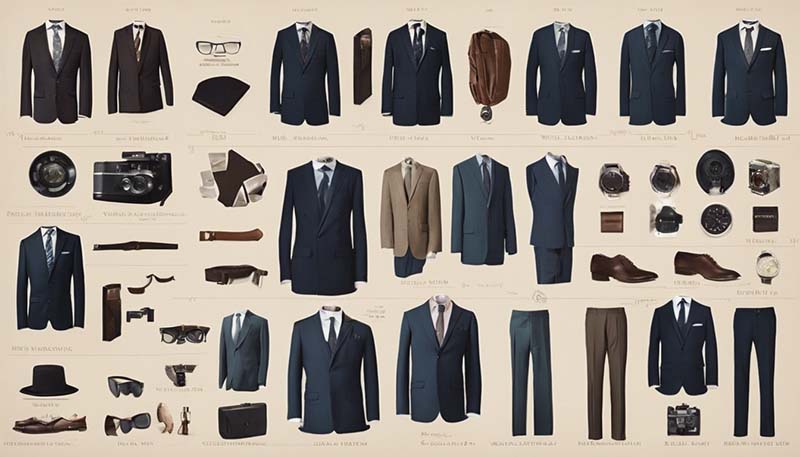
A Classic Example: A two-piece suit in navy, charcoal grey, or black. Wool or wool-blend fabric. A crisp, light-colored dress shirt (white, light blue). A conservative silk tie (solid, stripes, or simple patterns). Leather dress shoes (oxfords or derbies) in black or dark brown. Matching belt and leather portfolio.
Variation for Senior Roles: A three-piece suit adds instant authority. A pocket square in a simple fold (white linen is always safe). Cufflinks understated.
The biggest mistake I see? Ill-fitting suits. A cheap suit that fits perfectly looks better than an expensive one that's baggy or tight. Tailoring is non-negotiable.
Workplace Dress Code Examples for Women (Business Formal)
A Classic Example: A matched suit (pantsuit or skirt suit) in a neutral color. The skirt should be at or just above the knee. A silk or high-quality cotton blouse underneath. Closed-toe pumps with a moderate heel. Minimal, elegant jewelry.
Alternative Example: A sheath dress in a solid color (navy, black, grey) paired with a structured blazer. Hosiery is often expected in traditional formal environments, though this is slowly changing. Check what senior women in your office do.
Here's a subtle error: overly trendy accessories or loud patterns. In this setting, you want your expertise to be memorable, not your leopard-print blouse.
What Exactly is Business Casual? (The Most Confusing Category)
This is where 80% of the anxiety lives. It's a spectrum, heavily influenced by your company's location and culture. A tech startup's business casual in Austin is different from an insurance company's in Hartford.
The core idea: professional but not formal. You're mixing tailored pieces with more relaxed ones.
The Business Casual Staples Checklist
Build your wardrobe around these:
For Everyone: Well-fitted blazers, tailored trousers (not jeans), polo shirts (high-quality, no logos), smart sweaters (fine-gauge merino, cardigans).
For Men Add: Chinos or dress slacks, button-down oxford or broadcloth shirts (can be worn without a tie), clean leather loafers or derbies, dark-wash jeans (ONLY if explicitly allowed—when in doubt, ask).
For Women Add: Tailored dresses (shirt-dress, wrap dress), skirts of appropriate length, blouses in various fabrics, nice ankle pants, flats or block heels.
Real-World Business Casual Outfit Examples
Let's paint specific pictures:
- Example 1 (Safe & Standard): Navy chinos, a light blue button-down shirt (tucked in), a navy V-neck sweater, and brown leather loafers.
- Example 2 (Slightly More Relaxed): Dark, non-distressed jeans, a fitted polo shirt, and a unstructured linen blazer with clean sneakers (think plain white leather sneakers, not gym shoes).
- Example 3 (For Women): A black ankle-length trouser, a silk camisole, and a long-line open blazer with pointed-toe flats.
- Example 4 (For Women): A knee-length, sleeveless sheath dress worn under a cropped knit cardigan with low-heeled pumps.
The #1 Business Casual Mistake
Thinking "casual" means "weekend." Wrinkled t-shirts, shorts, flip-flops, overly revealing clothing, athletic wear (unless you're at a gym), and graphic tees with slogans are almost always a no-go. If you'd wear it to mow the lawn, it's not business casual.
| Dress Code | Core Vibe | Yes, Wear This | No, Avoid This |
|---|---|---|---|
| Business Formal | Authority, Tradition | Full matching suit, conservative tie, dress shoes, sheath dress & blazer. | Sport coats, bright colors, open-toe shoes, short skirts, trendy patterns. |
| Business Casual | Polished but Relaxed | Blazer + chinos, tailored dress + cardigan, dark jeans + polo, loafers. | T-shirts, shorts, sneakers (usually), distressed denim, overly casual fabrics. |
| Casual Friday | Relaxed Professionalism | Clean jeans + nice sweater, company polo + slacks, clean sneakers, casual dresses. | Sweatpants, tank tops, beachwear, clothing with holes, dirty shoes. |
Mastering Casual Friday (Without Looking Too Casual)
This is a test. It's not a free pass. The key is "elevated casual." You're still at work.
Good Example for Men: Well-fitting, dark-wash jeans (no rips), a solid-color henley or a long-sleeved crewneck tee, and clean, minimalist sneakers (like Allbirds or clean Adidas Stan Smiths) or leather boots.
Good Example for Women: A midi skirt in a casual fabric (denim, corduroy) with a tucked-in striped tee and ballet flats. Or, nice joggers in a ponte or twill fabric paired with a simple shell and a denim jacket.
My rule of thumb: Keep one element undeniably professional. If you're wearing jeans (casual element), pair them with a smart blazer or a cashmere sweater (professional element). If you're wearing a casual tee, make sure your bottoms are tailored trousers.
Dress Code Examples for Your Industry & Role
The handbook gives the rule, but the culture gives the real answer.
Tech & Startup Workplace Dress Code Examples
Extremely broad. At a Silicon Valley giant, a hoodie and jeans might be standard for engineers. But for biz-dev or client-facing roles, expect business casual. Pro Tip: For an interview, always dress one level above what you think the daily wear is. You can't offend by being slightly too polished.
Finance & Corporate Workplace Dress Code Examples
More conservative. Even if the official policy is business casual, you'll see more blazers and tailored separates. In New York or London financial districts, it's often de facto business formal. Pay attention to what the Managing Directors wear and mirror that.
Creative Agencies & Media Workplace Dress Code Examples
Here, "smart casual" or "creative professional" reigns. This is where personal style has more room. Think interesting silhouettes, unique accessories, and bold colors—but executed with clear intention and quality. A graphic designer might get away with fashion-forward pieces a CPA could not.
The Remote/Hybrid Workplace Dress Code
The new frontier. For video calls, the rule is "business on top, casual on the bottom" is real, but risky. What if you have to stand up suddenly? My advice: have a "zoom blazer" handy—a structured jacket you can throw over any top. For in-office days in a hybrid schedule, follow the core business casual principles. You're re-establishing your professional presence.
Pro Tips & Common Pitfalls Everyone Misses
Beyond the clothes themselves:
1. Fit is Everything. I'd rather you have five perfectly fitting pieces than a closet of ill-fitting "nice" clothes. Get things tailored.
2. Grooming & Details Matter. Scuffed shoes, wrinkled clothes, and unkempt hair undermine a great outfit. They signal a lack of attention to detail.
3. The "Cultural Fit" Test. Spend your first week observing. What do the respected, high-performing people at your level wear? What do those one level above you wear? That's your target.
4. Invest in Foundation Pieces. A great blazer, perfect trousers, quality leather shoes. These anchors make getting dressed easy and always look professional.
5. When in Doubt, Ask. It's totally acceptable to ask your manager or HR, "I want to make sure I'm fitting in well—could you give me an example of what's appropriate for a client meeting versus a casual Friday?" It shows initiative.
Your Burning Dress Code Questions, Answered
At the end of the day, workplace dress codes are about context and respect—for your colleagues, your clients, and your own professional ambitions. Use these concrete examples as a starting point, observe your specific environment, and build a wardrobe that makes you feel both comfortable and capable. You've got this.