Women in prison isn't taken seriously, and is often trivialized like in Orange Is The New Black. The grim reality involves guard abuse and giving birth while shackled.
10. The First Women’s Prisons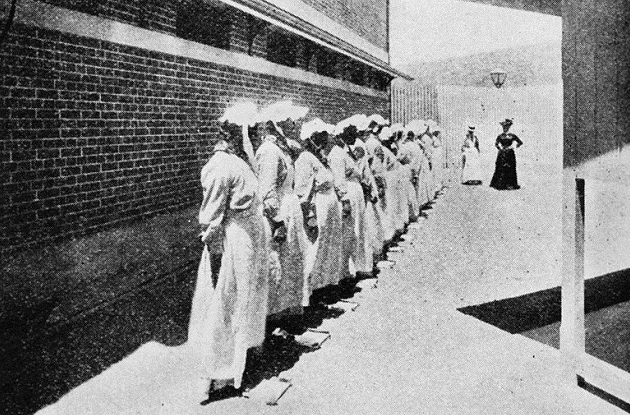
Women’s prisons are a modern development. Historically, female offenders were held in separate sections of men’s prisons. The first dedicated U.S. women’s prison opened in Indiana in 1869, while the first federal facility—the Federal Industrial Institution for Women in West Virginia—began operating in 1927.
Unlike today’s strict penitentiaries, this institution had minimal security. Inmates performed clerical, cooking, and farming tasks instead of being constantly confined. Its aim was reformation, not punishment, seeking to reintegrate women into society. Many inmates were not violent criminals but individuals impacted by alcohol and drugs during Prohibition.
9. The Exploding Incarceration Rate The U.S. has the world's highest incarceration rate, but within this crisis, women are the fastest-growing prisoner population. Over a million women are now in the justice system—a category that barely existed two centuries ago. Their numbers soared by 800% from 1980 to 2006.
The situation is particularly severe for minority women, who make up two-thirds of those incarcerated. Most are imprisoned for nonviolent offenses like drug possession or prostitution. Even those convicted of violent crimes often have tragic backgrounds; for instance, up to 90% of women who killed a man had been abused by him.
8. Giving Birth Laboring women deserve tender care, yet in 30 U.S. states, incarcerated mothers can be shackled during childbirth—a practice condemned by the ACLU, health groups, and Amnesty International as a human rights violation that endangers mother, child, and medical staff.
Despite such harsh conditions, some positive initiatives exist. Certain states offer prison nursery programs, allowing qualifying nonviolent offenders to care with their infants for up to three years. These programs show consistently positive outcomes. Actress Leighton Meester, born in a Texas federal prison, is one notable success story from this difficult start.
7. Families Displaced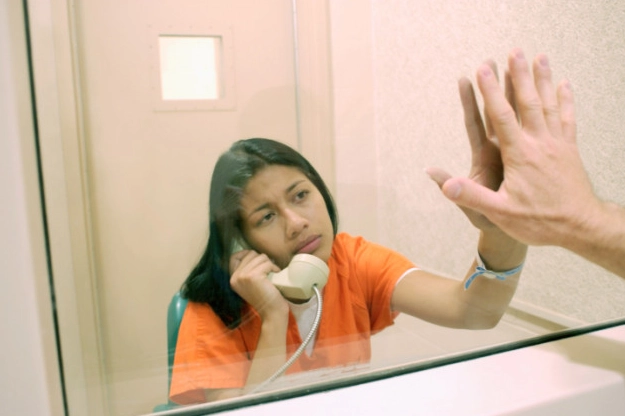 Many incarcerated women were primary caregivers, and their imprisonment often forces their children into foster care. Under the 1997 Adoption and Safe Families Act, states must terminate parental rights after a child spends 15 of 22 months in foster care—a threshold easily met given the median 36-month minimum sentence for women. Consequently, many mothers permanently lose their children.
Compounding this, women's prisons are often located far from families due to their limited number. This distance makes visits difficult or impossible, deepening inmates' isolation and harming their well-being and prospects for successful reintegration into society.
6. Death Row Despite a sharp increase in women's incarceration, less than 2% of death row inmates are female. In two centuries, the only woman executed for a crime less severe than murder was Ethel Rosenberg. Convicted of treason for passing atomic secrets to the Soviet Union, she was executed alongside her husband in 1953.
The most notorious female death row inmate was Aileen Wuornos, a Florida prostitute who murdered seven men in 1989-90. After a decade on death row, she was lethally injected in 2002. Her final request was a cup of black coffee, and her last words referenced sailing with "the rock" and returning with Jesus.
5. Healthcare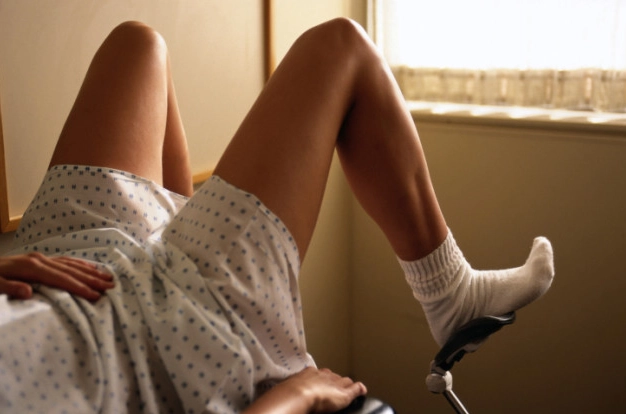 The surge in female incarcerations has overwhelmed a prison system ill-equipped to address women’s distinct health needs. Basic care like gynecological exams and mammograms is frequently inaccessible, leading to preventable deaths from diseases such as cervical cancer. Incarcerated women also suffer from substance abuse and communicable diseases like HIV and hepatitis C at far higher rates than men, often linked to histories of trading sex for drugs.
They are more vulnerable to chronic conditions including anemia, urinary infections, and migraines, and exceed male inmates in mental health issues, often after lifelong abuse. Most incarcerated women live far below the poverty line and had little healthcare access even before imprisonment.
4. Assault By Guards Ideally, all guards and staff in women's prisons would be female to significantly reduce abuse. However, in the U.S., roughly 40% of these guards are male, making beatings and rape alarmingly common.
A notorious example is Alabama's Julia Tutwiler Prison for Women, where over one-third of staff were found to have traded basic items for sex with inmates. Despite some improvements, it remains among America's worst prisons, with conditions potentially unconstitutional.
3. Orange Is The New Black
 Netflix's hit series Orange Is the New Black is based on Piper Kerman’s memoir. A well-educated woman, Kerman was convicted for laundering drug money and served 13 months in prison. Her bestselling book was adapted into a critically acclaimed show, praised for its nuanced characters instead of stereotypes. These include transgender inmate Sophia Burset, portrayed by transgender actress Laverne Cox, with her twin brother playing her pre-transition self.
Since her release, Kerman has left her criminal past behind. She now works as a public speaker and activist, serving on the board of the Women’s Prison Association.
2. Exploitation Films
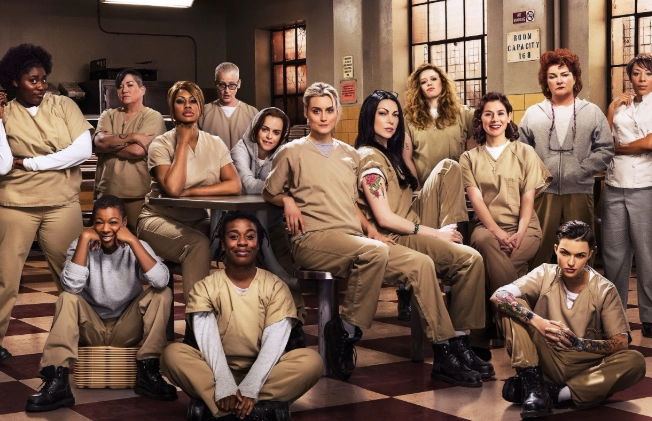 Before "Orange Is the New Black," depictions of women in prison often leaned toward soft-core porn, emphasizing themes of lesbianism, nudity, and catfights. While peaking in the late 1960s, this "women in prison" (WiP) genre dates to early 1930s films like "Ladies of the Big House" and Barbara Stanwyck’s "Ladies They Talk About."
The WiP genre remains prolific internationally, including in the U.S., Italy, and China. Dedicated film guides catalog entries such as 1985’s "Red Heat," starring Linda Blair as an American captured in East Germany. Even in the modern era of hardcore pornography, the genre continues to thrive.
1. Women’s Prisons Around The World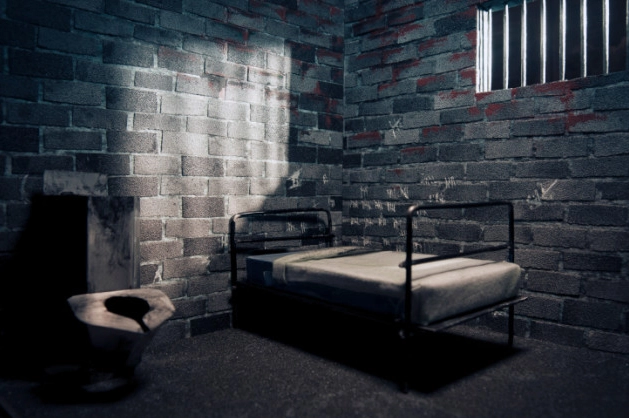 Women's prisons in the non-Western world often face deplorable conditions. In South Africa, facilities are described as "shockingly inhumane," with severe overcrowding leading to violence that guards fail to control.
Even within the EU, conditions can be harsh. At Greece's Thiva Prison, invasive vaginal searches are frequent, with refusers placed in solitary and given laxatives. Despite official claims that such practices are outdated, visiting monitors from the European Committee for the Prevention of Torture continue to document them.