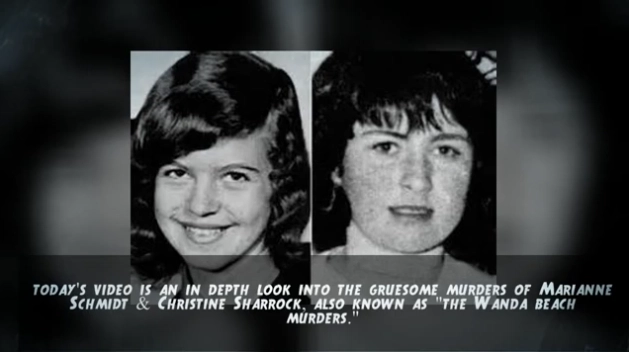
On Jan 11, 1965, 15-year-old friends Marianne Schmidt and Christine Sharrock were murdered on Sydney’s Wanda Beach. Despite decades of investigation and suspects, the case remains unsolved—a haunting Australian true crime mystery.
10. The Weather Conspires

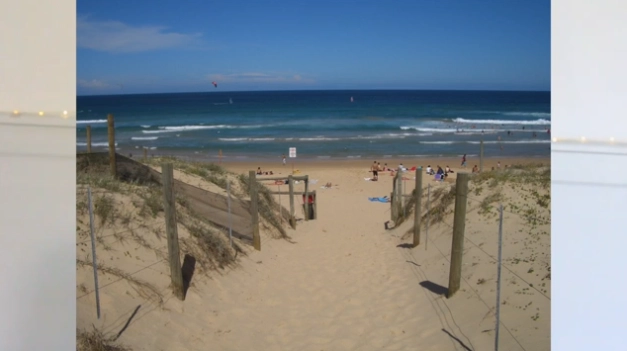
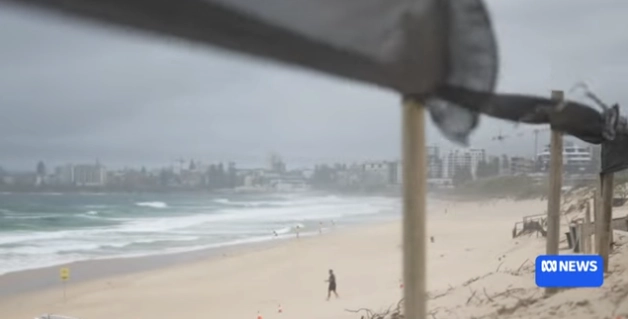
On January 11, 1965, Sydney's oppressive weather drove Marianne, Christine, and three younger siblings to the beach. A sudden "Southerly Buster" gale swept in, scattering most beachgoers. The younger children retreated to the surf club, while the two teenagers walked toward the southern dunes, vanishing from sight.
This weather shift proved devastating for the investigation. The gale cleared the beach of potential witnesses at the crucial moment. The blinding sand and howling wind allowed a predator to strike unseen and unheard. With almost no reliable sightings during this narrow window, the case was plagued by this foundational lack of evidence for decades.
9. A Horrific Scene
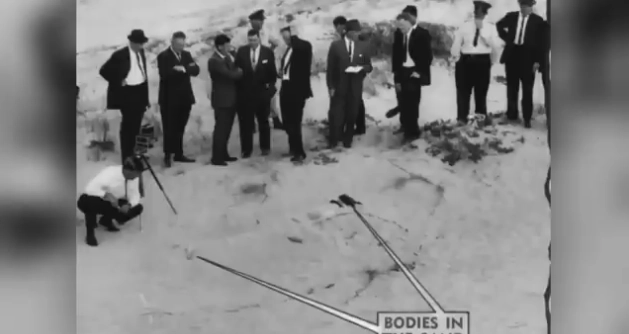 The bodies, discovered by a hiker, presented a scene of such brutality that it overwhelmed seasoned detectives. The victims had been lured or forced between two dunes and subjected to a frenzied stabbing. The evidence of a desperate struggle was harrowing, with defensive wounds indicating a violent fight in the sand. The killer used a small, sharp blade with such force that investigators suspected he may have injured his own hands.
Police concluded the murders were sexually motivated, not a robbery or random act, as no valuables were taken. The positioning of the bodies and the nature of the wounds pointed to an attack stemming from a deeply disturbed and violent compulsion.
8. Missing Murder Weapon
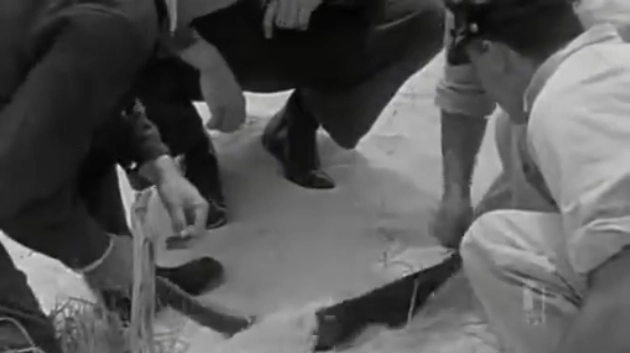
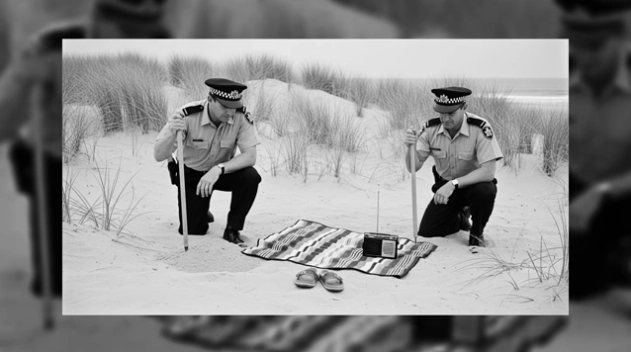 Hundreds of officers and volunteers extensively scoured the Wanda sand dunes with metal detectors, but the murder weapon was never found, dealing a major blow to the investigation. Forensic analysis indicated the weapon was likely a common 3–4 inch pocketknife or scout knife, making it nearly impossible to identify.
The killer appeared composed enough to either dispose of the knife elsewhere or remove it from the scene. Over the years, several knives were submitted by the public, but due to shifting sands and erosion, none could be definitively matched to the distinctive wounds.
7. The Mysterious “Man in the Shorts”
 A key early lead focused on a young man reportedly seen near the girls. Multiple witnesses described him as being in his late teens or early twenties, notably wearing bright swimming trunks despite the poor weather. Accounts differed on whether he was seen following the girls toward the dunes or lingering near their path.
Despite public appeals and composite sketches, the man was never identified. Whether he was a crucial missing witness or the killer himself remains a central, unanswered question. Investigators still deem the sightings credible decades later, but without identification, this promising lead went nowhere.
6. A Link to the “Family Murders?”
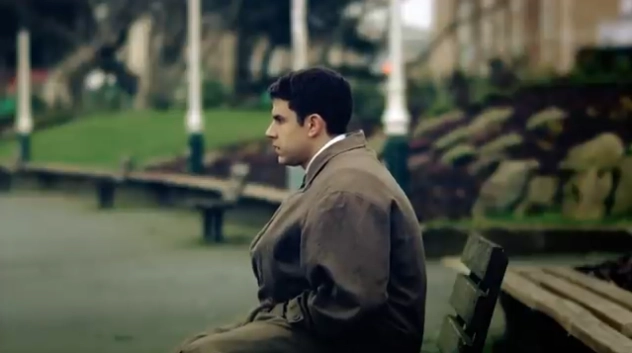 In later years, investigators explored potential links between the Wanda murders and other crimes, notably suspecting Derek Percy—a convicted child killer. Percy, guilty of a 1969 murder, was believed to be in Sydney during the Wanda killings. Detectives noted alarming similarities in the extreme violence and targeting of young victims, keeping him under scrutiny.
However, Percy never confessed to the Wanda murders before his death in 2013, and no physical evidence connected him to the scene. While behavioral parallels raised troubling questions, the absence of concrete proof ultimately prevented investigators from substantiating the theory.
5. The Christopher Wilder Connection
 One frequently mentioned suspect was Christopher Wilder, later known as the "Beauty Queen Killer." As a teenager living in Sydney in 1965, he matched the age and description of a man seen near the Wanda Beach dunes. His documented history of sexual violence and his method of luring victims to isolated locations bore disturbing similarities to the case.
Though Wilder died in a 1984 U.S. shootout, New South Wales police have never formally ruled him out. However, investigators have noted differences between his confirmed crimes and the Wanda murders, meaning any connection remains speculative, not conclusive.
4. The Blood-Soaked Clothing
 One of the most haunting missed opportunities came from a local laundromat days after the murders. An attendant reported a young man bringing in heavily blood-stained trousers and a shirt, acting nervously and demanding immediate service. By the time police arrived, the man had already collected his clothes and vanished. The attendant had recorded no name or address, and no paper trail existed.
With 1965's blood typing technology still limited, the failure to secure these garments meant the loss of what could have been the most direct physical evidence in the entire case. Many historians view this moment as the point at which the investigation truly stalled.
3. The 2012 DNA Breakthrough—That Wasn’t
 Hope surged in 2012 when advances in forensic science allowed police to extract a DNA profile (10 Crimes That DNA Evidence Failed to Solve) from preserved clothing belonging to the victims. The profile was compared against the national database and against several key suspects.
True to the case’s long history of frustration, the results proved inconclusive. Decades of storage had degraded and contaminated the samples, leaving investigators without a reliable match. While partial DNA profiles still exist, they have yet to yield definitive answers. Authorities have acknowledged that future techniques may offer renewed possibilities, but for now, modern forensics has failed to bring closure.
2. Impact on Australian Culture
 The Wanda Beach murders ended more than two young lives; they shattered an era of Australian innocence. Before 1965, children commonly traveled unsupervised. The national shockwave from the crime shifted public attitudes overnight. Parents imposed new restrictions, and "stranger danger" became entrenched in suburban consciousness.
The beach, once a symbol of carefree freedom, became associated with hidden threats. This case, preceding the Beaumont Children disappearance, irrevocably ended a period of perceived safety. Like other tragic cases of the time, Wanda Beach marked a permanent loss of communal trust and a childhood innocence that never returned.
1. The Final Suspect—Alan Logan
 Investigative journalist Alan Whiticker recently highlighted Alan Logan, a local man with a history of mental illness and violence, as a suspect. Notably, some of Logan's own family reportedly believed he committed the murders. He allegedly possessed a knife matching the suspected weapon and was intensely fascinated by the case.
Logan died years ago in a psychiatric facility, taking any secrets with him. Police acknowledge the theory but emphasize that, lacking a confession or viable DNA evidence, they cannot formally name him as the killer. Like many others in this case, he remains a shadowy figure, underscoring the enduring mystery and unresolved questions.